Introduction
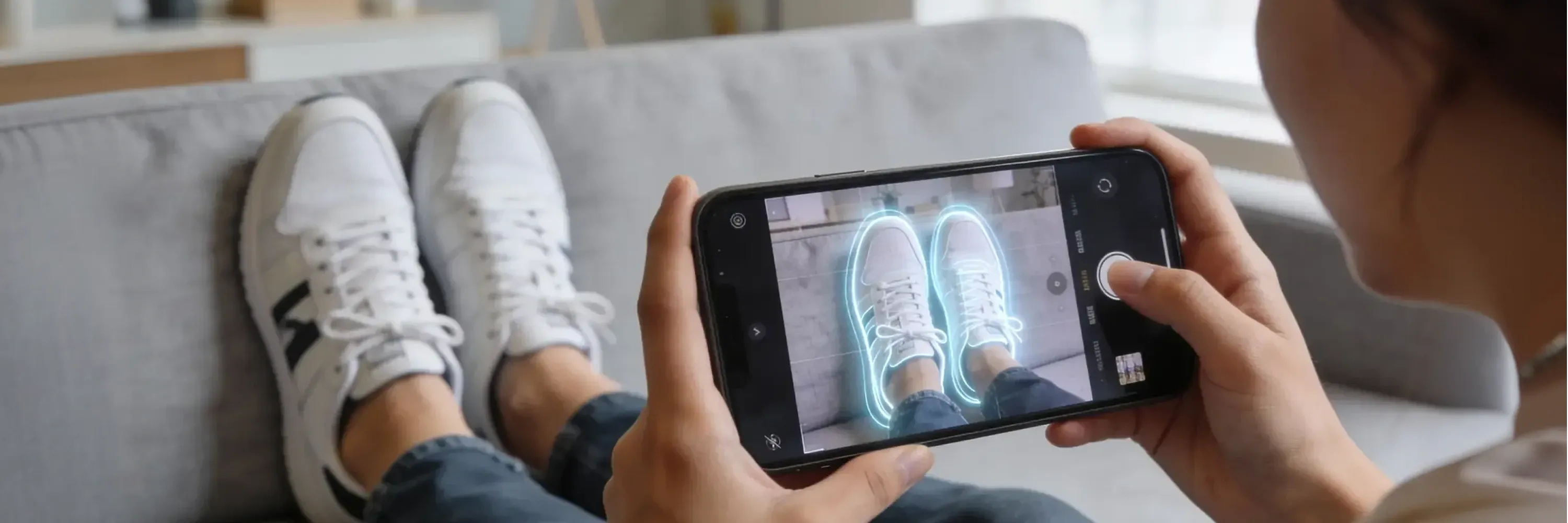
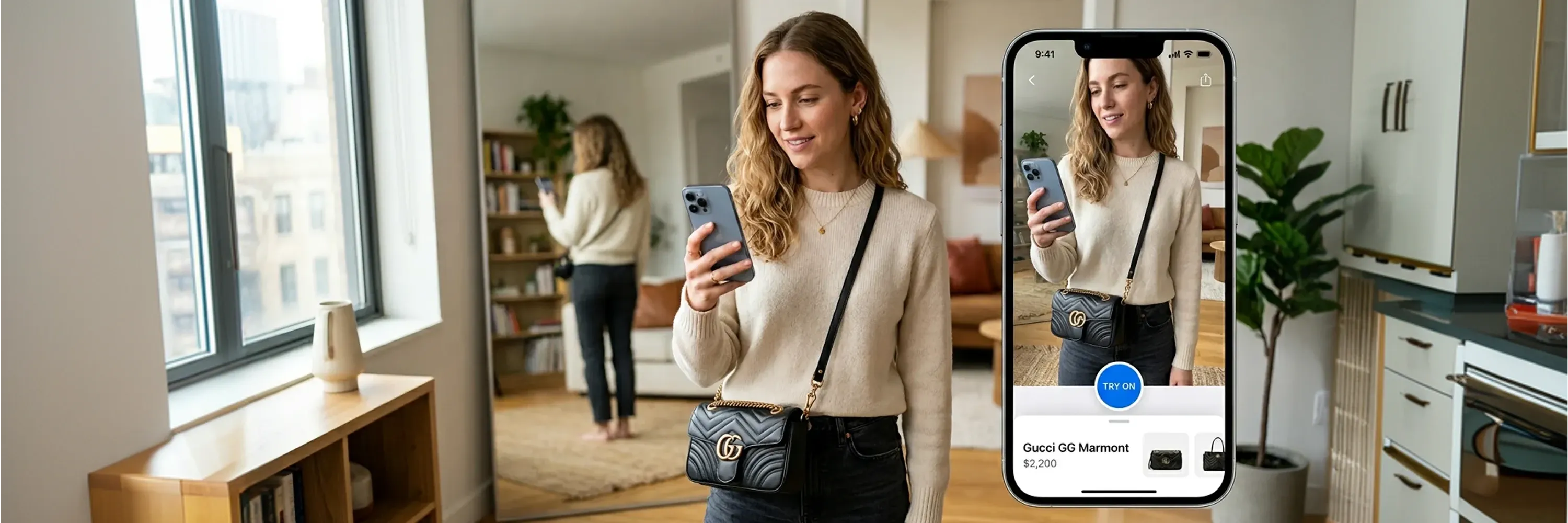
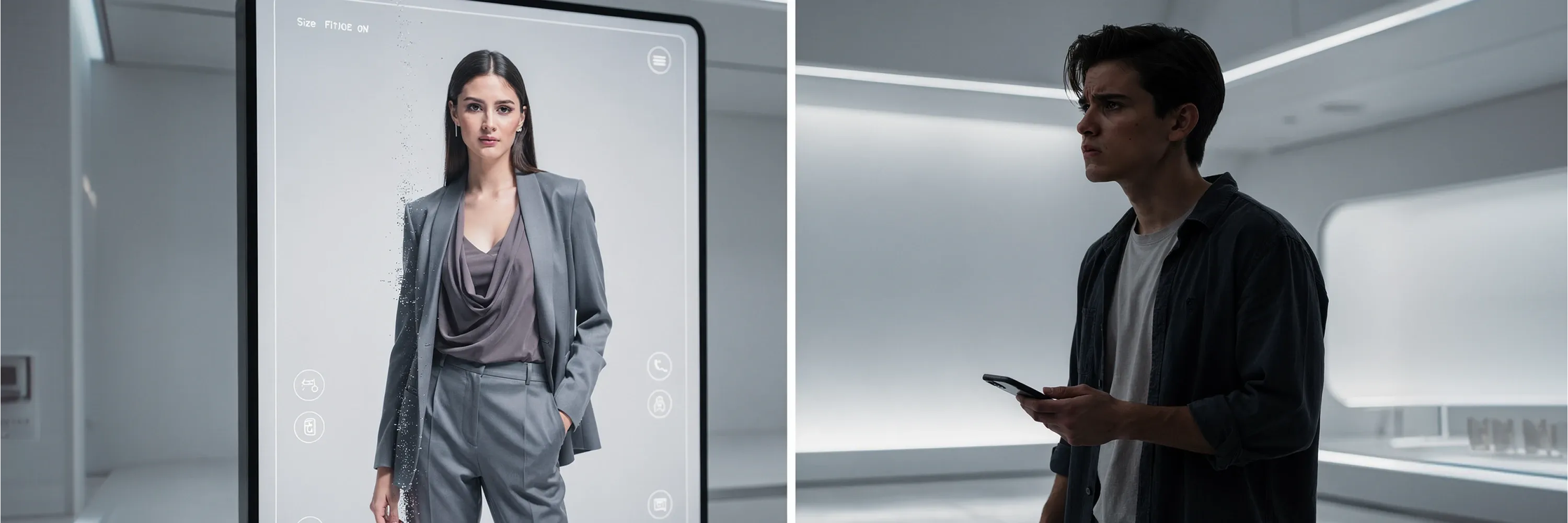
Virtual try-on for shoes allows online shoppers to see how footwear looks on their feet through their smartphone cameras before they make a purchase. The footwear industry has struggled with sizing uncertainty for years, because comfort and fit vary between brands and styles. In the past, customers had to rely on flat images and inconsistent size charts.
This reliance often led to the frustrating practice of ordering multiple sizes and returning the ones that didn't fit. The online shopping experience will remain inefficient and wasteful if retailers and shoppers ignore the psychological stress caused by this uncertainty. Virtual try-on technology is not just a fun digital tool. It is a psychological necessity that eliminates fit anxiety and allows customers to shop with confidence.
Psychology of Fit Anxiety
Shoppers experience a specific type of stress known as "fit anxiety" when they browse for shoes online. They hesitate because they can't physically test the product, which creates a fear of making the wrong choice. When customers stare at a pair of sneakers on a screen, they don't just see a product. They see a potential problem. They worry about the hassle of repackaging the shoes, printing return labels, and waiting for refunds if the fit is poor. This anxiety often leads to decision paralysis. Customers abandon their carts simply because the risk of a poor fit outweighs the excitement of the new purchase.
Visual confirmation plays a role in how people make decisions. Research on E-learning systems points out that 65% of people are visual learners, who process information better when they can see it rather than read about it. Shoppers still feel uncertain when they read a description that says a shoe "runs true to size." However, the brain processes the information as a confirmation when they see the shoe on their own foot via an online shoe preview. This visual input activates the "endowment effect," a psychological phenomenon where people value a product more because they can imagine themselves owning it. Virtual try-on connects the static image to ownership, and this reduces the friction that stops a sale.
The absence of this visual confirmation forces shoppers into costly behaviors. Many consumers engage in "bracketing," which means they buy the same shoe in size 9, 9.5, and 10, with the intention of returning two pairs. The survey from Statista shows that footwear has the second-highest e-commerce return rate at 18%, largely due to this sizing uncertainty. This behavior suggests that customers are desperate for reassurance. They are willing to temporarily spend three times the money just to replicate the safety of a physical fitting room. Virtual try-on removes this need because it provides that reassurance digitally.
Why Traditional Sizing Methods Fail
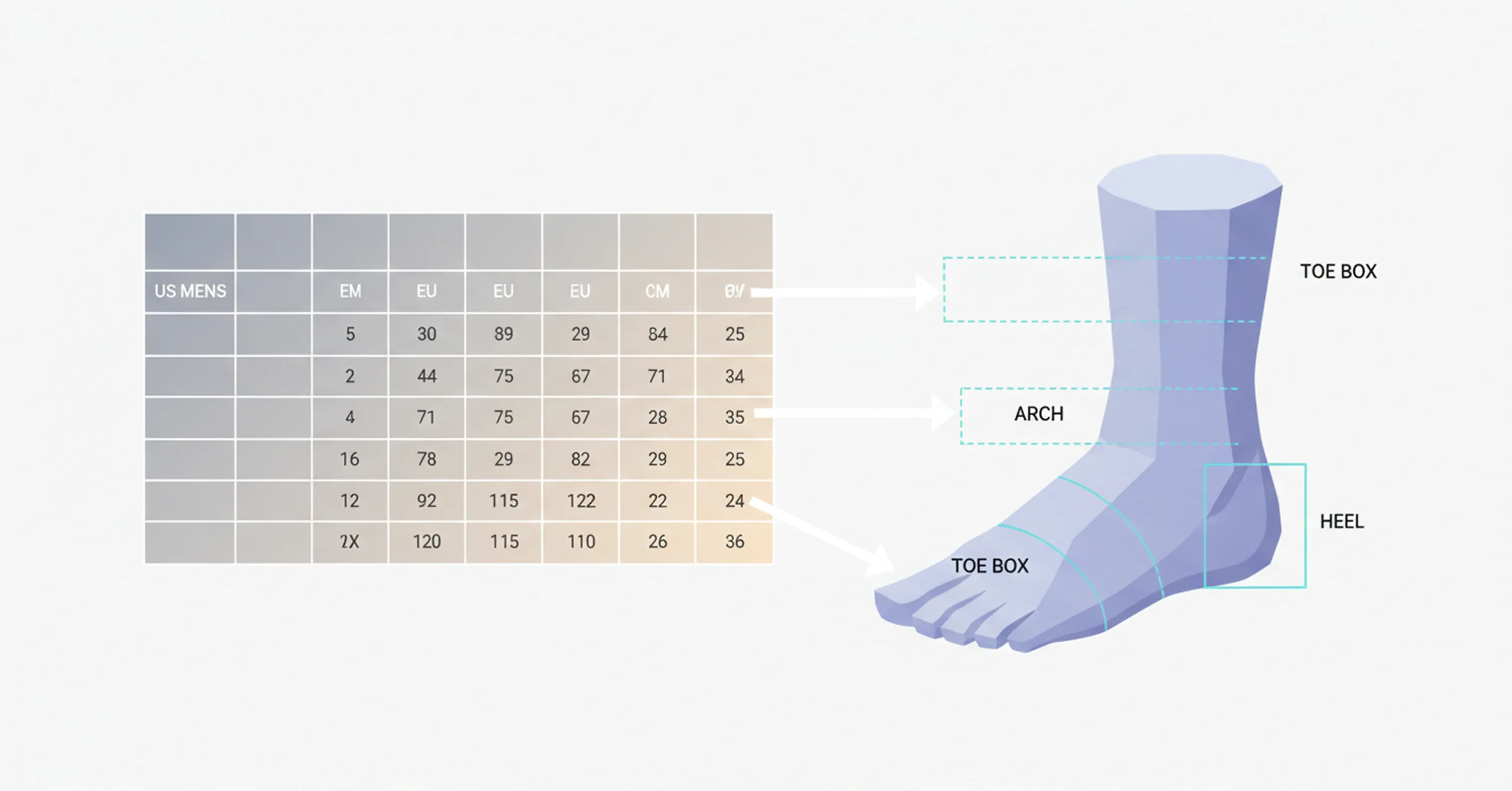
Standard size charts don't account for the complex three-dimensional reality of the human foot. A two-dimensional chart that relies on length alone can't predict how a shoe will accommodate arch height, toe width, or heel shape. Furthermore, manufacturing standards vary between brands. A size 8 in an athletic brand might feel like a size 7 in a luxury boot brand. This inconsistency erodes customer trust. Shoppers learn to distrust the provided information when they follow a brand's size guide and still receive a shoe that pinches or slips.
This problem worsened over time because foot anatomy has evolved while manufacturing has stayed the same. The population data from the Wall Street Journal reveal that average shoe sizes in the U.S. have increased by nearly an inch since the 1970s due to lifestyle and health changes. However, 99% of shoes sold in the U.S. are imported, and manufacturers often use outdated molds, known as "lasts," that don't reflect modern foot shapes. Consequently, even if a customer knows their standard size, the shoe itself might be built on a mold that doesn't resemble their foot. This structural mismatch makes static size charts obsolete.
The failure of these traditional tools creates a barrier for online retailers. Zalando's research on shopper confidence found that over 40% of online shoppers cite poor-quality size guides as a major reason they don't buy. Customers have no logical reason to proceed with the transaction when they can't trust the size chart and can't try the shoe on. Digital footwear fitting replaces these vague approximations with precise visual data, and this allows the customer to see how the shoe interacts with their specific foot shape.
How Digital Footwear Fitting Works
Digital footwear fitting uses advanced algorithms and Augmented Reality (AR) to simulate a physical try-on experience through a smartphone. The technology evolved beyond simple photo overlays. It now uses sophisticated scanning to map the foot's dimensions. Modelia AI explains that this technology uses 3D foot scanning to create a precise digital model of the user's foot. The shopper points their camera at their feet, and the software places a 3D model of the shoe on the image. This allows them to turn their foot, view the shoe from different angles, and see how the materials move.
The process is designed to be intuitive and accessible for any demographic. This includes Millennials and Gen Z shoppers who expect smooth digital experiences. A common objection is that the technology might be too complex or require special equipment. However, most modern implementations work directly within a mobile browser or a brand's app, and they require no technical skills other than taking a photo. The goal is not to replace the tactile feeling of a shoe but to provide enough visual data to eliminate the guesswork. The shopper gains the confidence that a static photo can't provide when they see the shoe in a realistic context.
The results of using this technology are measurable for both the buyer and the seller. SafeSize AI virtual fitting research shows that 3D foot scanning and personalized recommendations can boost sales conversions by 79%. Customers move from a state of uncertainty to a state of confidence when they use a tool that accurately predicts fit. This transition is important. The technology acts as a verification tool. It confirms to the shopper that the shoe they like is also the shoe that fits.
Environmental Impact of Returns
Virtual try-on aligns the shoe shopping experience with the environmental values held by many modern consumers. The "bracketing" behavior mentioned earlier generates waste. Every returned pair of shoes involves double shipping emissions, wasted packaging materials, and often, the product ending up in a landfill if it can't be resold. Environmentally conscious shoppers feel guilty about this waste, but often feel they have no choice if they want to ensure a good fit.
Reducing returns through better visualization lowers the carbon footprint of the fashion industry. The Gunner Kennels shared their story on Shopify. They reported 40% increase in order conversion rate along with 5% reduction in return rate when they used AR for the visualization of dog kennels. The logistics chain becomes much more efficient when a customer gets the right size on the first try. There is no delivery truck coming back to pick up the package, no reprocessing at the warehouse, and no plastic waste from the returned box.
This sustainability aspect adds another layer of psychological comfort for the buyer. Shoppers participate in a more responsible form of consumption when they use an online shoe preview to confirm their size. This reduces the "moral cost" of the purchase. The customer can enjoy the convenience of online shopping without the guilt associated with the environmental impact of constant returns.
Reducing Post-Purchase Anxiety
The stress of buying shoes online doesn't end when the customer clicks "buy". It continues until the package arrives and the shoes are on their feet. This period is filled with "post-purchase anxiety," where the customer worries if they made a mistake. The most recent Narvar post-purchase report reveals that two-thirds of consumers feel anxiety after the purchase, and 90% check return policies before buying to ensure they have an escape route. This data proves that customers constantly anticipate failure when shopping for items where fit is subjective.
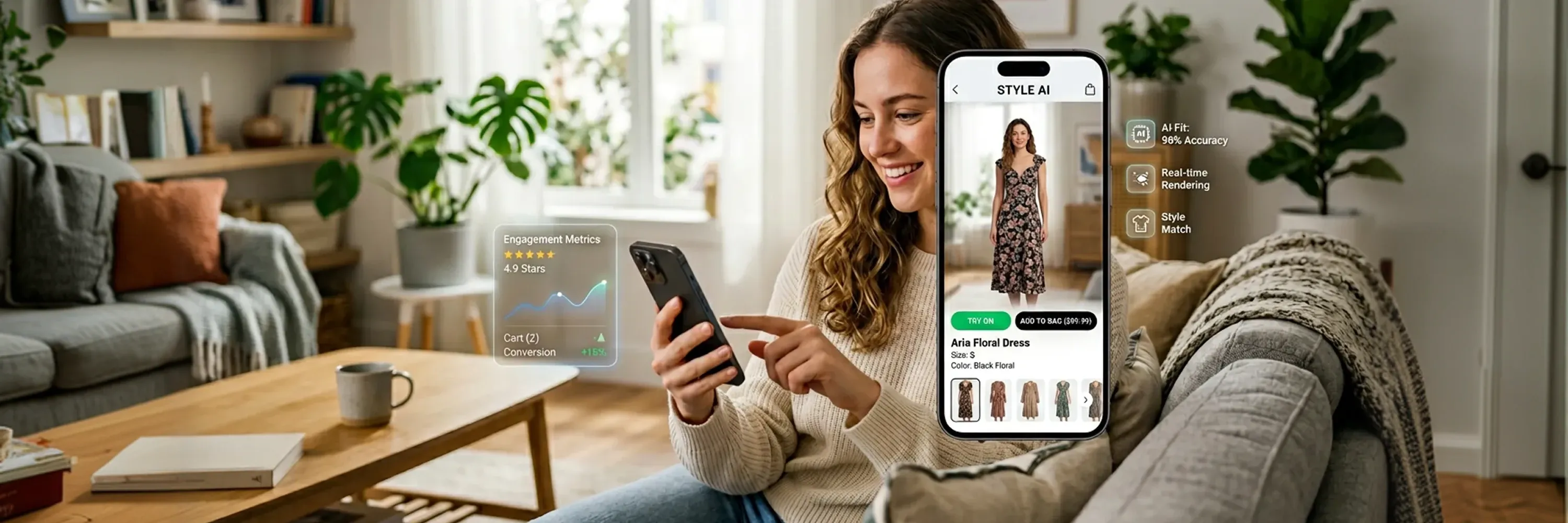
Virtual try-on reduces this anxiety because it sets accurate expectations before the transaction takes place. Shopify data cited by 3D Images shows that products featuring 3D and AR content achieve conversion rate increases of 94% compared to those with only 2D visuals. This increase happens because the customer has already "seen" the product on their foot. The arrival of the package becomes a confirmation of what they already know, rather than a moment of suspense.
Customer satisfaction increases when the gap between expectation and reality closes. A customer who knows what to expect is less likely to be disappointed and more likely to keep the shoes. This builds long-term loyalty. Shoppers will return to a specific brand if they know it offers a reliable digital footwear fitting tool because the emotional labor of the shopping process is lower. They know they can shop without the fear of having to drive to a post office to return a box of ill-fitting shoes.
Future of Footwear Shopping
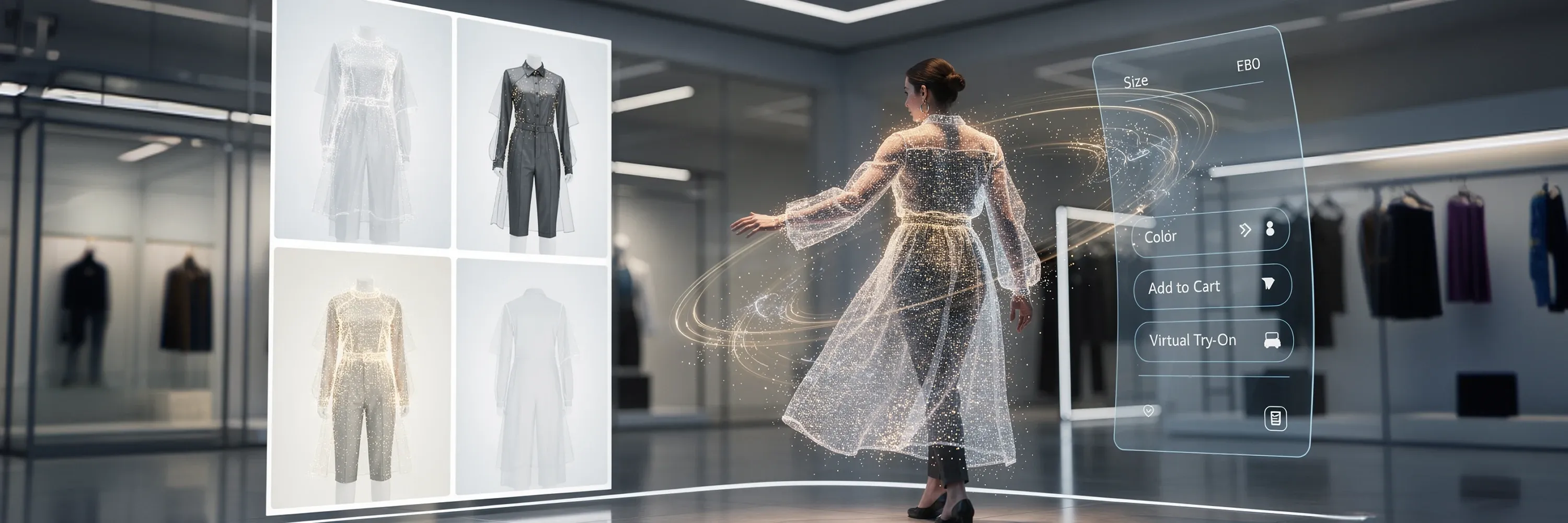
Virtual try-on will likely become the standard for all online footwear retailers as the technology matures. The current landscape shows a clear divide between retailers who offer static images and those who offer immersive experiences. AR tools provide psychological comfort that is quickly becoming a baseline expectation for digital natives. Brands risk being seen as outdated and risky if they fail to adopt these tools because consumers have grown accustomed to verifying their choices digitally.
The data support this shift toward immersive commerce. McKinsey insights found that 71% of consumers expect personalized interactions. Virtual try-on acts as the best form of personalization because it places the product on the customer. It changes a generic shopping experience into a personal fitting session. The line between the in-store mirror and the smartphone screen will blur even further as the algorithms get smarter and the visual fidelity improves.
The goal of this technology is to make online shopping human-focused. It acknowledges that buying shoes is a personal, physical experience that requires confidence. The industry can move past the inefficiencies of the last decade and create a shopping model that is sustainable, profitable, and enjoyable by addressing the psychological needs of the shopper.
Final Thoughts
Virtual try-on for shoes changes the online shopping experience because it addresses the root cause of customer hesitation, which is "fit anxiety." This technology moves beyond simple convenience and becomes a psychological necessity for confident decision-making. Digital footwear fitting connects the digital and physical worlds by allowing shoppers to visualize footwear on their own feet.
This technology's importance extends to your wallet and the planet. It saves money and time because it reduces the need for returns, and it lowers the environmental impact of shipping back ill-fitting inventory. The frustration of guessing your size will disappear as technology improves. In the future, you will likely refuse to buy shoes without first seeing them on your feet virtually. Look for the virtual try-on feature next time you shop for shoes online, and use it to make sure your next pair is the perfect fit.