News and Insights

Insights, trends, and ideas shaping the future of fashion retail.

Blog Posts

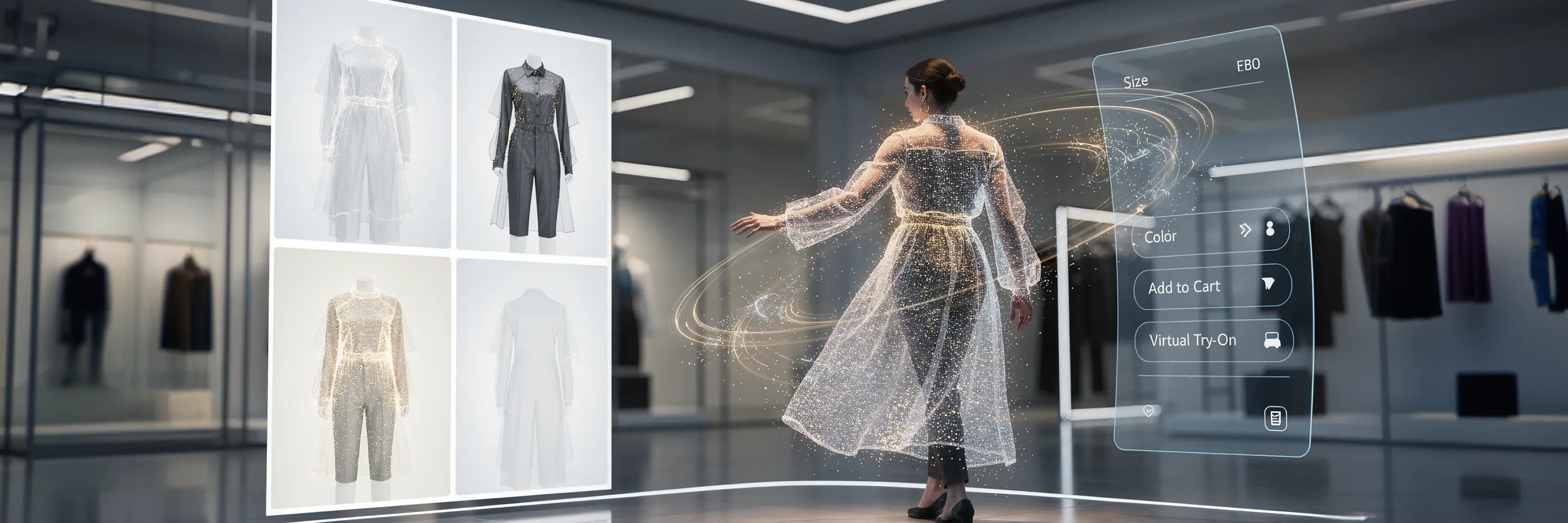
Woman using an AI-powered augmented reality virtual fitting room to try on digital clothing with interactive size, color, and add-to-cart options.

Why Handbag Try-On Is the Missing Piece in Mid-Range Fashion E-Commerce

In this article, we explain how to integrate digital try-on technology for accessories into e-commerce platforms to decrease return rates and increase sales. We detail the entire integration process and explain how to select software and improve mobile experiences for shoppers.

Woman using smartphone with AI-powered virtual try-on fashion app, showing dress preview, style matching, real-time rendering, and ecommerce engagement metrics.

Why Your Virtual Try-On Solution for E-Commerce Is Not Converting and How to Fix It

In this article, we explain how to identify and avoid critical mistakes when online stores implement Gen AI visualization technology. We discuss strategic, UX, and operational missteps that hinder deployment. We also explain how to achieve a higher return on investment.

Woman using an AI-powered augmented reality virtual fitting room to try on digital clothing with interactive size, color, and add-to-cart options.

Why Streamable Gaussian Splatting Try-On Is the Infrastructure Shift Fashion Retailers Have Been Waiting For
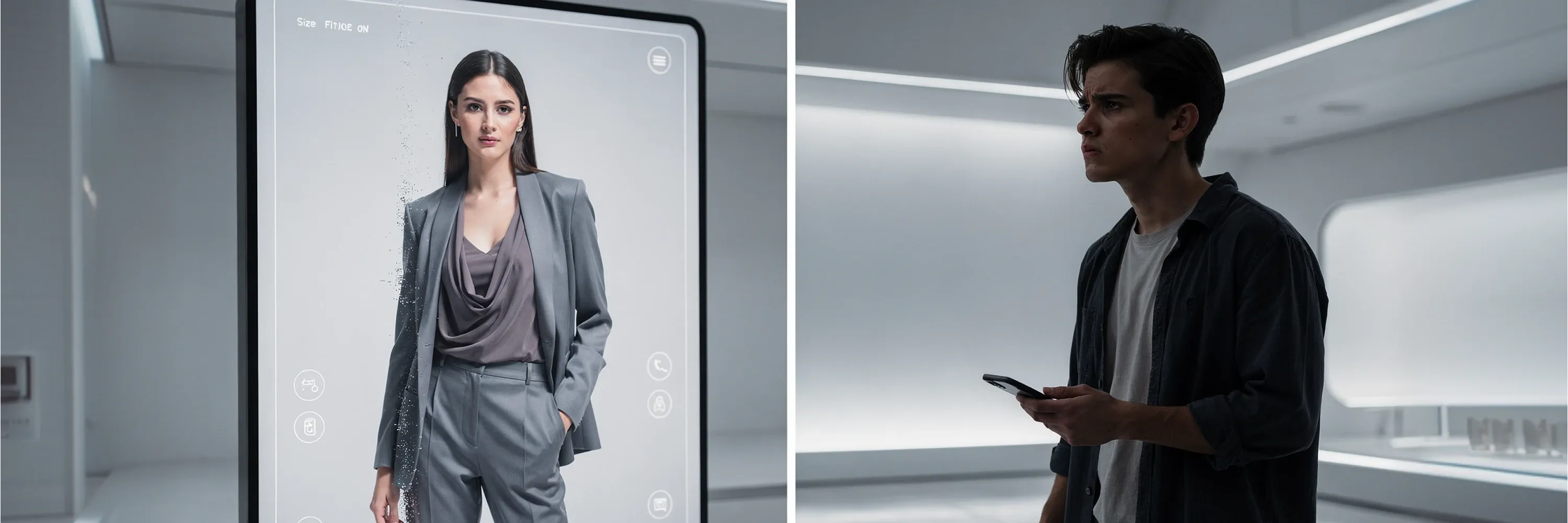
In this article, we explain how streamable volumetric video changes the financial mechanics of fashion e-commerce return rates. We explore the infrastructure shifts that make photorealistic product visualization accessible at a consumer scale and create a new model for retail profitability.

Person using a mobile device to interact with an AI-powered virtual fashion try-on interface displaying a digital model in a modern retail environment

Why Shoppers Admire Gen AI Virtual Try-On But Rarely Use It to Make Purchase Decisions

In this article, we examine the gap between technical advancements and consumer adoption for digital clothing models. We analyze the behavioral barriers that cause shoppers to distrust these systems and explore how transparency can ultimately change online retail.

Engineer using a tablet with a digital twin model to monitor biotech manufacturing systems in a high-tech production control room

Why Enterprises Are Adopting Gaussian Splatting Twins and What Data Shows

In this article, we explain how new rendering approaches reshape digital replica adoption across manufacturing, infrastructure, and defense sectors. We discuss what this shift means for enterprise investment decisions.

Woman using an augmented reality mobile app to assess backpack fit, showing shoulder alignment, hip belt positioning, and spine support.

Backpacks Try On AR: How Virtual Fit Solves Online Retail's Top Size Problem

In this article, we explain why physical sizing complexities make outdoor packs difficult to sell over the internet. We explore how immersive rendering addresses these specific fit mechanics and protects profit margins across e-commerce platforms.

Customer using an AI-powered virtual fitting room mirror to try on clothing in a modern retail store

What AR Mirrors for Retail Mean for Inventory Management and Return Rate Reduction

In this article, we discuss how to select, integrate, and measure ROI of augmented reality mirrors to reduce returns and enhance in-store data collection. We explain the transition of AR from novelty to critical infrastructure component that drives operational efficiency and competitive advantage.

Entrepreneur managing a Shopify online store from a laptop while checking product listings on a mobile phone

How to Implement Virtual Try-On Shopify Solutions to Reduce Returns

In this article, we discuss the strategic process of how virtual try-on technology prioritizes accurate sizing, lowers return rates, and builds long-term customer trust. We examine the technical and operational steps required to change this tool from a visual novelty into a core part of the return reduction infrastructure.

Ecommerce manager analyzing product performance on desktop dashboard while reviewing a fashion item listing on laptop and smartphone, showcasing multichannel analytics and optimization

How to Use Try-On API to Improve Online Shopping
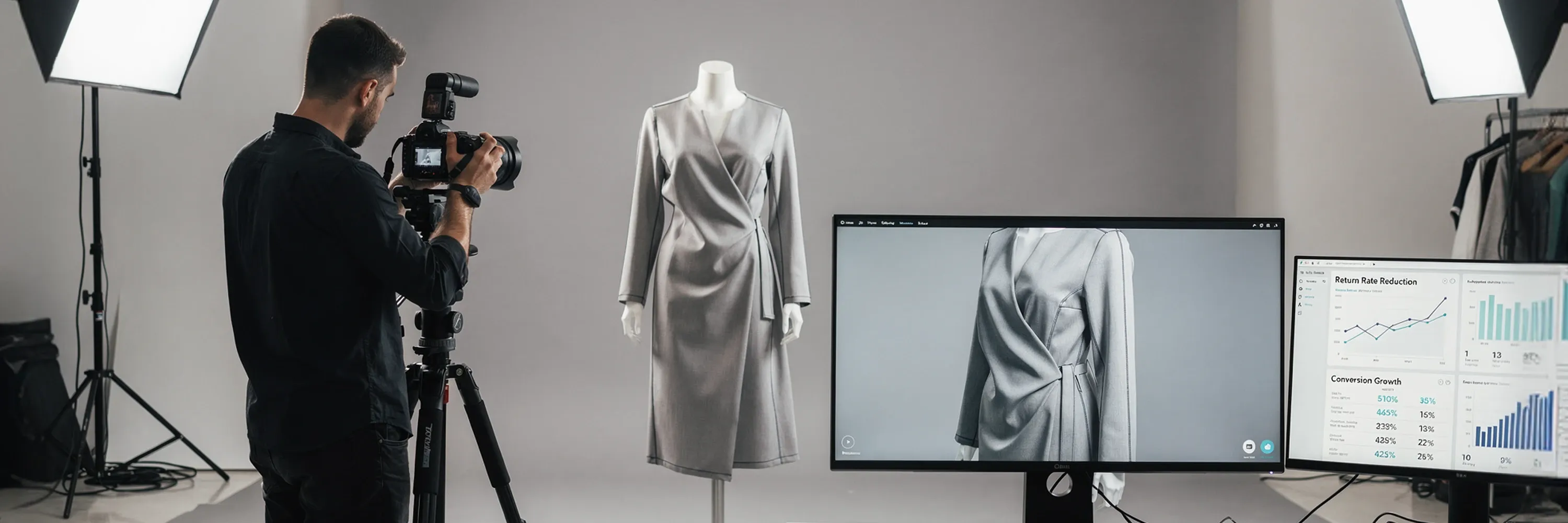
In this article, we explain how to integrate virtual try-on software into online retail platforms to reduce product returns and increase customer purchase confidence. We discuss the technical infrastructure, integration methods, and the critical role this technology plays regarding new sustainability regulations.

Fashion product photography studio setup with a photographer capturing a dress on a mannequin for ecommerce, with lighting equipment and product analytics displayed on monitors

Return Rate Reduction with Cost-Efficient 3D Modeling Strategies
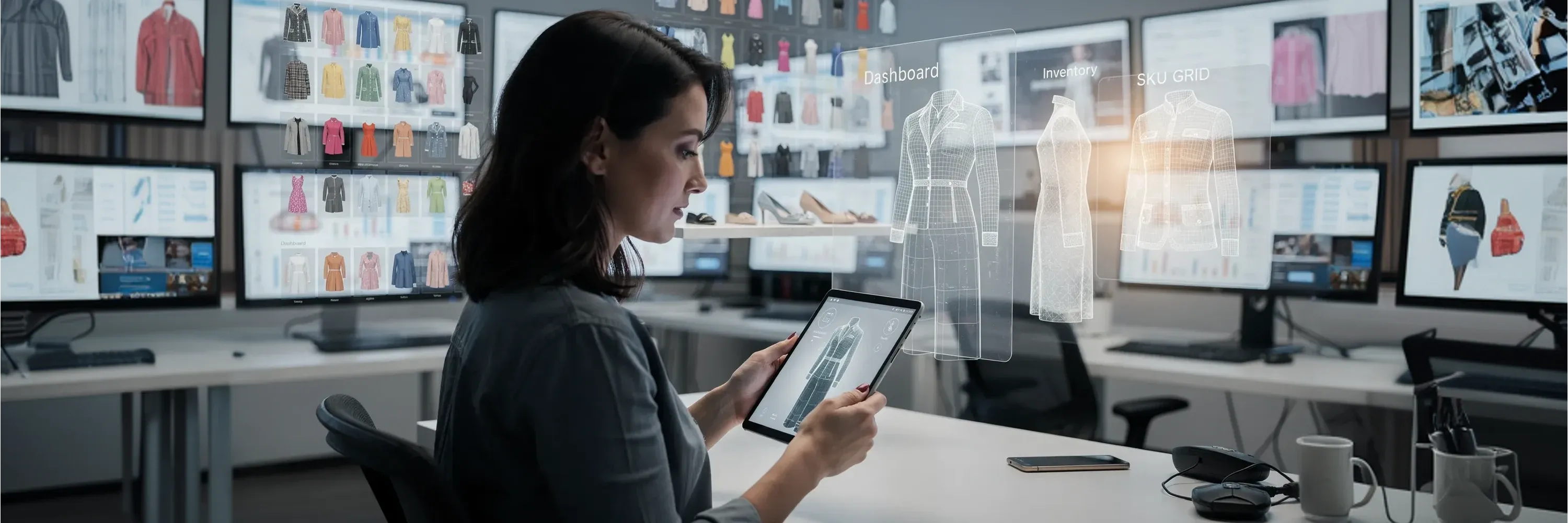
In this article, we explain how cost-efficient 2D-to-3D conversion workflows help fashion retailers reduce fit-related returns. We discuss the financial impact of visual uncertainty and provide a guide for implementing modeling strategies.

Fashion designer using a tablet to manage AI-powered 3D garment visualization, digital clothing inventory, SKU grid management, and real-time fashion design dashboards across multiple screens

Scalable Virtual Try-On Strategies for High-Volume Catalogs
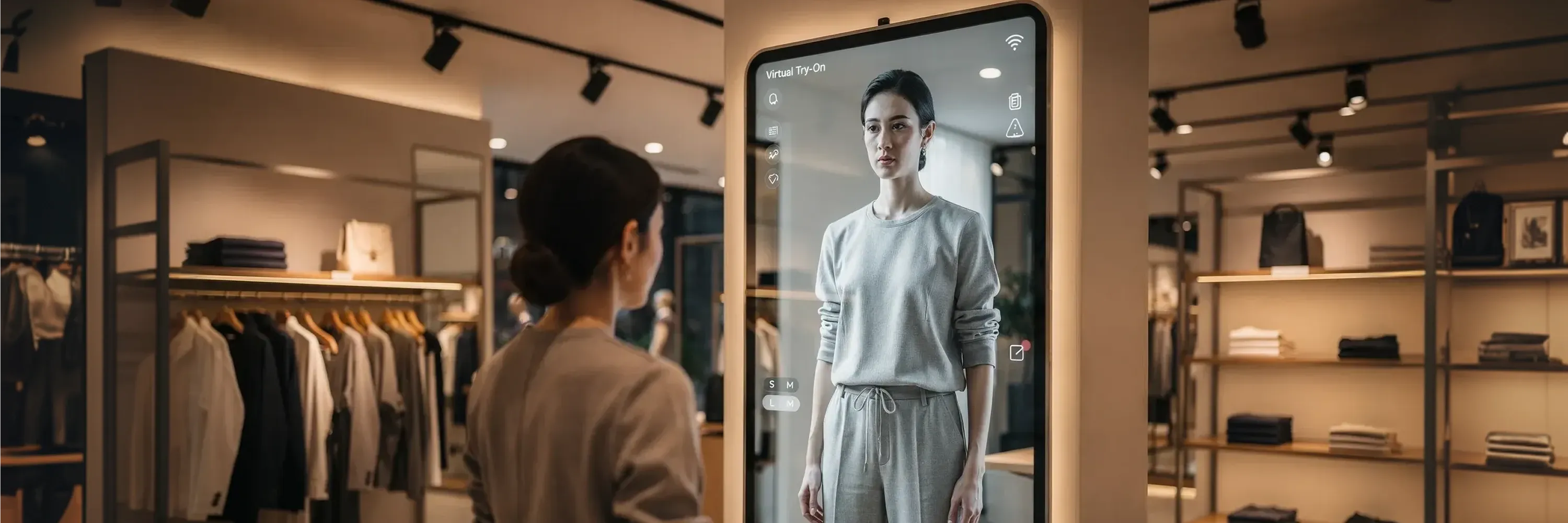
In this article, we examine the operational strategies and technical requirements needed to transition virtual try-on from a pilot program to a fully integrated solution. We discuss the challenges of data governance, legacy system integration, and infrastructure overhaul that require attention during high-volume implementation.

Customer using an AI-powered virtual try-on smart mirror in a modern fashion retail store, viewing a digital reflection wearing clothing with interactive size and styling options displayed on the screen

Real-Time Virtual Try-On: Engineering Customer Engagement With Technical Precision
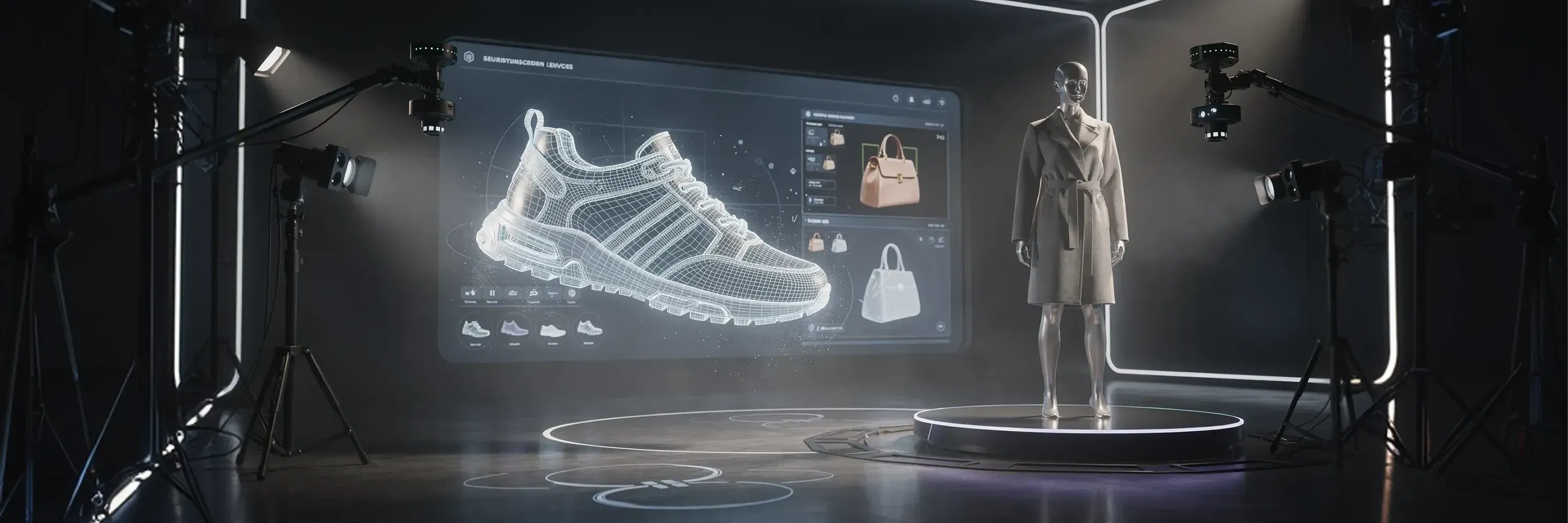
In this article, we explain how advanced real-time rendering and body tracking technologies directly increase user engagement and purchase confidence. We discuss the technical infrastructure required to eliminate the expectation gap between digital images and physical reality. We move beyond novelty to essential retail engineering.

Futuristic 3D product scanning studio with holographic wireframe sneaker model and handbag displays on screen, mannequin in beige coat on circular platform, surrounded by professional cameras and lighting equipment for virtual try-on photogrammetry

Deploy AI 3D Model Generator Tools For Future-Proof Retail Strategy

In this article, we analyze the strategic shift from static product photography to immersive 3D commerce driven by artificial intelligence. These tools reduce operational costs, minimize return rates, and prepare fashion brands for the agentic AI era of 2026.

Professional 3D product photography studio setup with white sneaker on rotating platform, surrounded by multiple DSLR cameras on tripods and softbox lights, with dual computer monitors displaying image editing software in the background

Engineering Photorealism: Inside 3d-from-photo Generator Technology
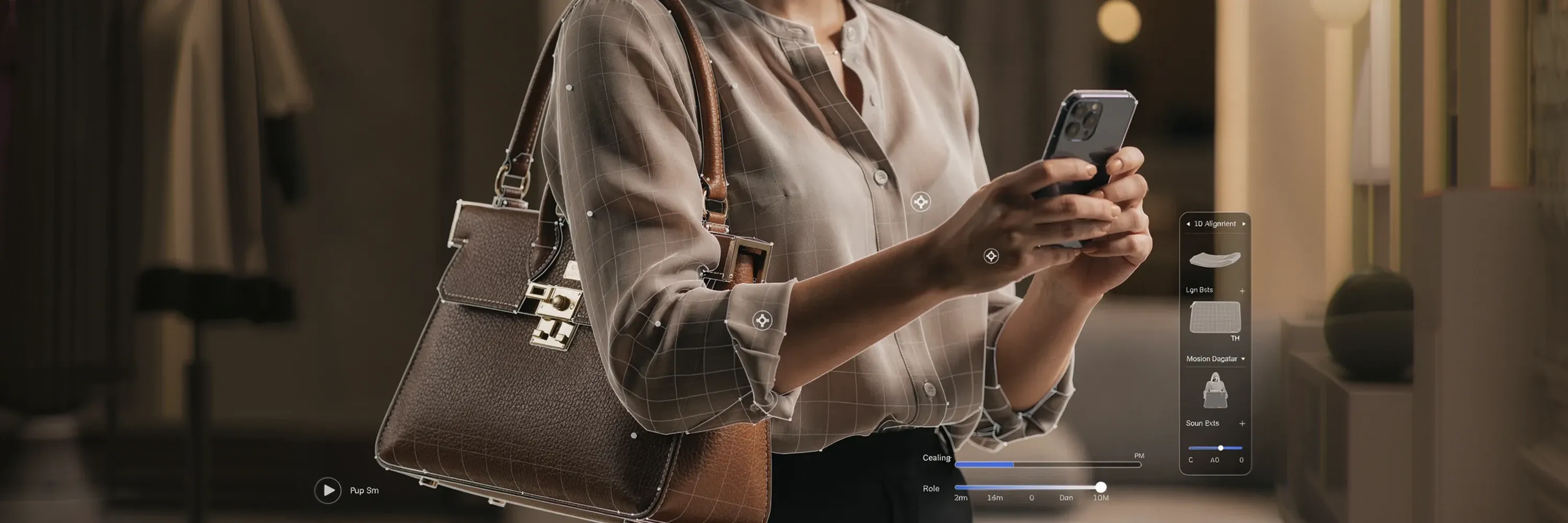
In this article, we discuss the technical transition from manual CAD modeling to automated photogrammetry in the e-commerce sector. We examine how this shift addresses the industry's need for scalable, photorealistic digital assets that reduce return rates and accelerate time-to-market.

A shopper uses a smartphone while an AI-powered 3D visualization overlays a luxury handbag, illustrating augmented retail and digital product interaction

Virtual Try-On for Bags: Transforming Mobile E-Commerce Experiences in 2026
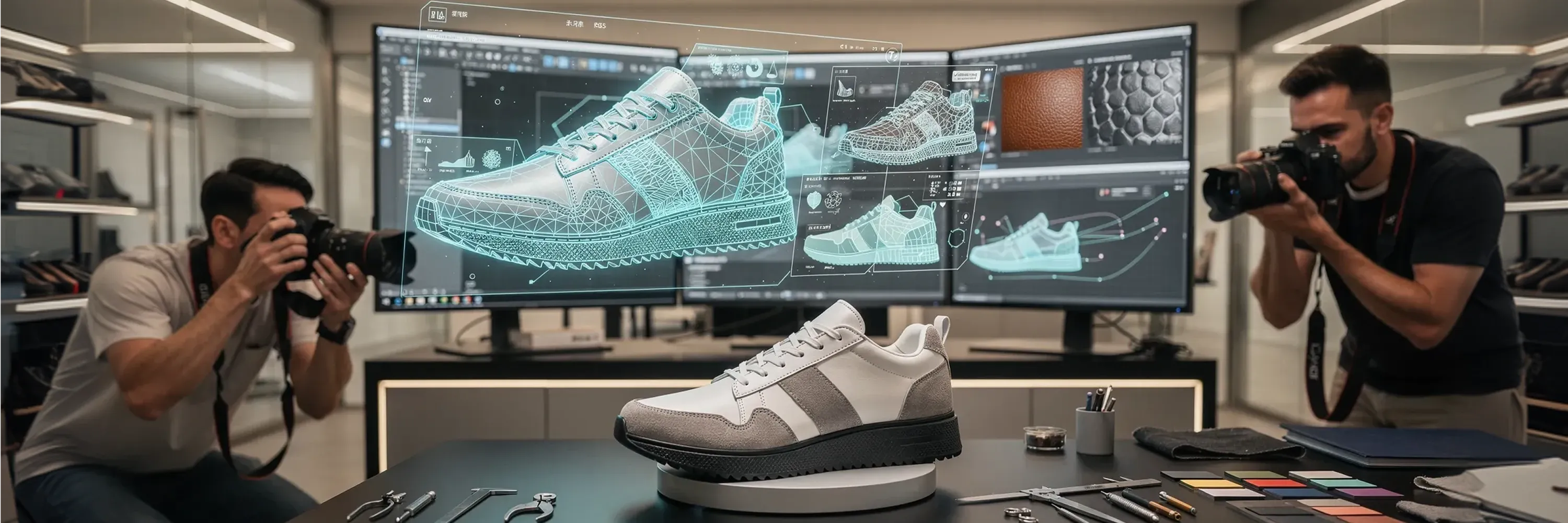
In this article, we analyze how interactive 3D technologies reshape the mobile shopping journey for accessory brands. We explore the specific ways high-fidelity visualization resolves common sizing and trust issues to create a smooth path to purchase.

A footwear product is photographed while 3D modeling and digital design visualizations are displayed on screens, showcasing a modern product digitization workflow

How to Implement 2D to 3D Generator for Footwear in Your Digital Supply Chain
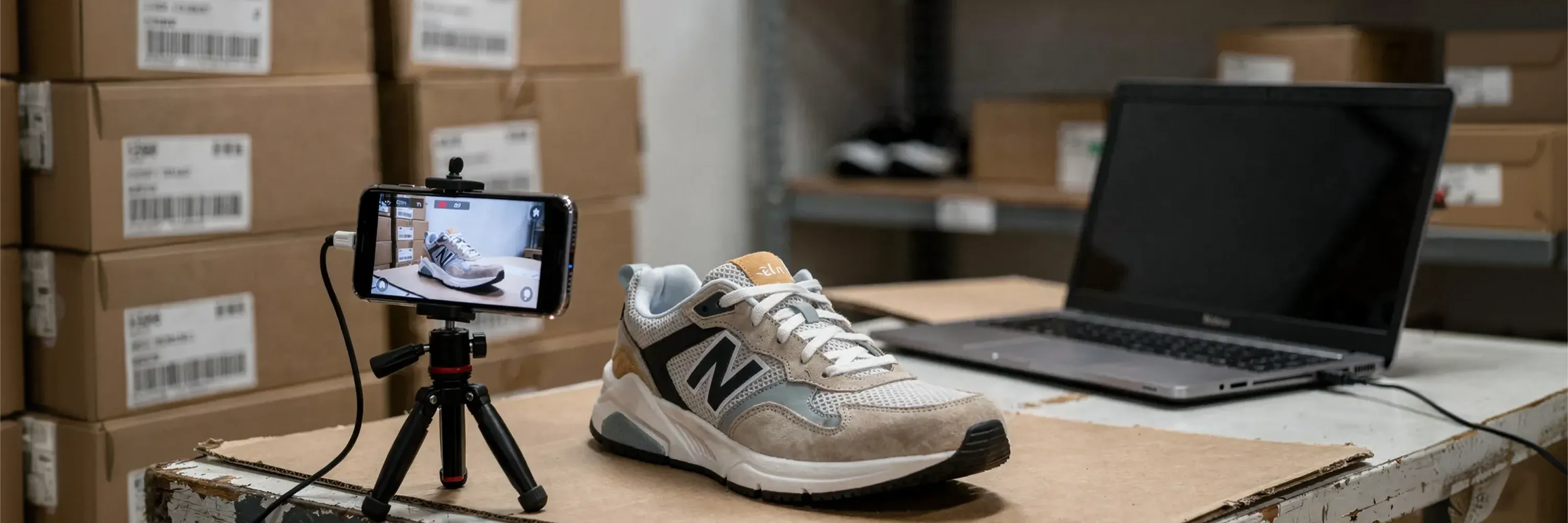
This article discusses the operational workflow to convert standard product photography into interactive 3D assets and improve e-commerce integration. We explain how this pipeline helps brands increase conversion rates and reduce return costs because it creates high-fidelity digital assets.

A sneaker is photographed and recorded with a smartphone on a tripod in a warehouse setting, illustrating e-commerce product content creation and online retail workflows

Affordable 3D Product Digitization: A Retailer’s Guide to Scaling Visual Assets

This article examines the accessible tools and workflows that allow businesses to build high-quality 3D product catalogs without enterprise-level budgets. We discuss how mobile scanning technology and artificial intelligence have lowered the barrier to entry, making immersive commerce a commercially viable strategy for brands of all sizes.

A person uses a mobile shopping app to view and purchase shoes while an open delivery box with the product sits nearby

Implementing Affordable AR Try-On for Shoes: A Cost-Effective Integration Guide
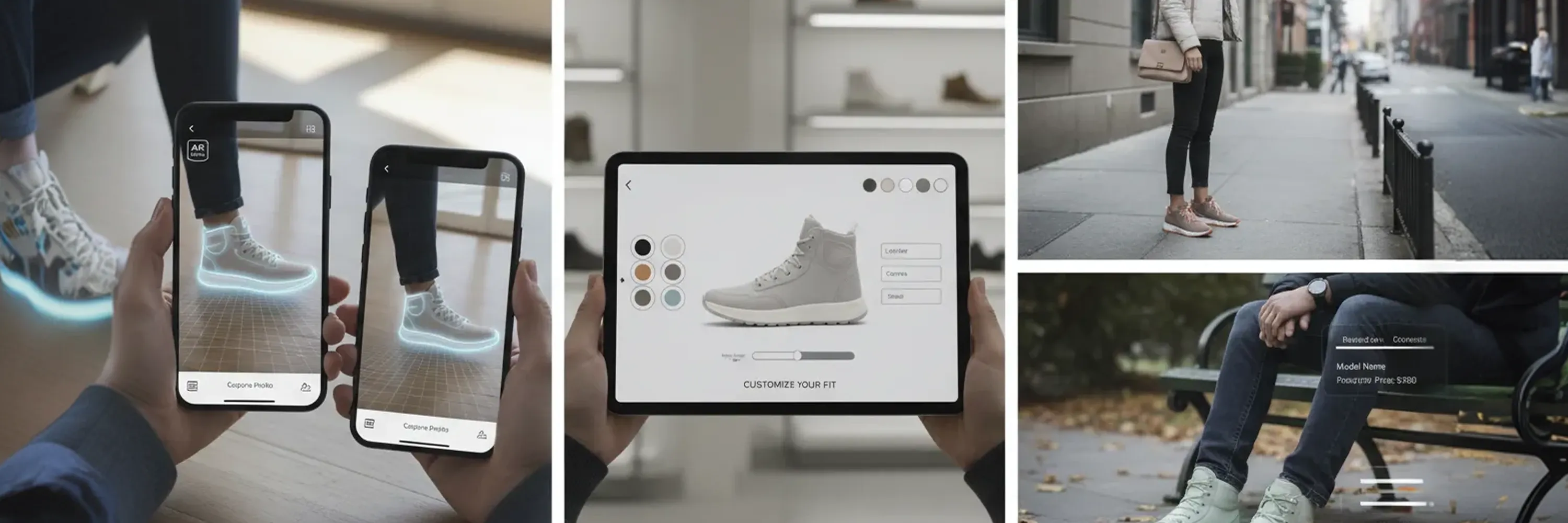
In this article, we discuss how to select and integrate budget-friendly virtual try-on solutions for footwear businesses. We explain the process of measuring the return on investment through reduced return rates and improved conversion metrics.

An AI-powered augmented reality experience showing virtual shoe try-on, product customization, and real-world usage across mobile and tablet devices

Shoe Virtual Try-On for Small Retailers: 7 Wallet-Friendly Ways to Start
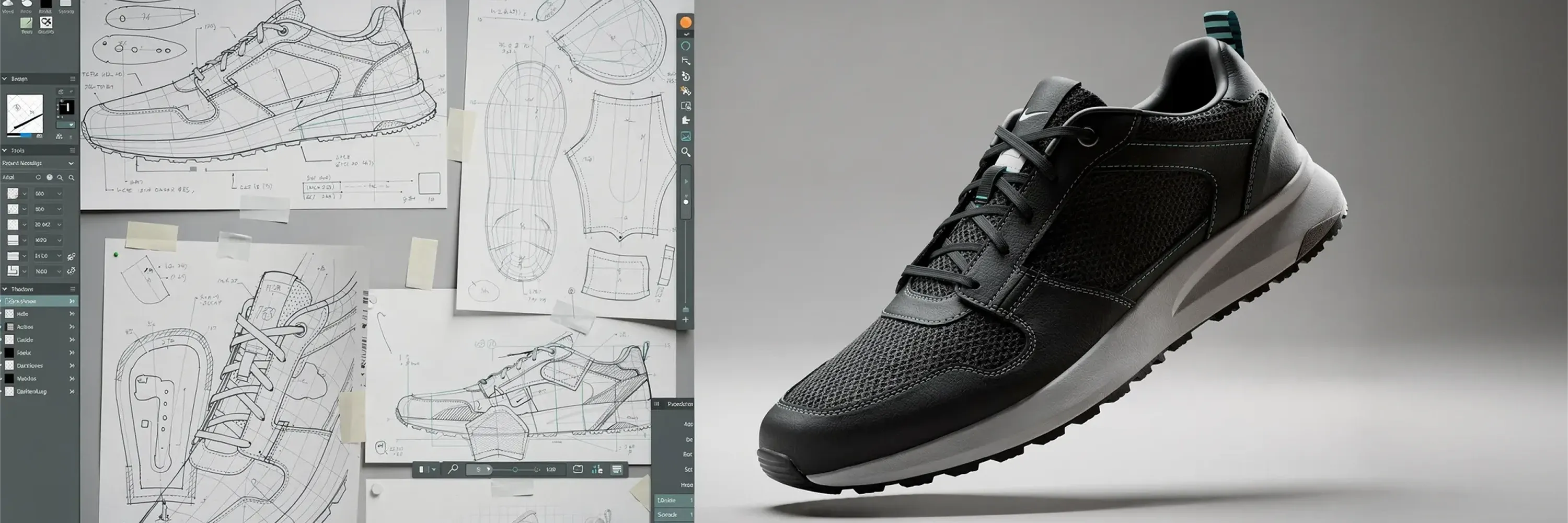
A shopper picks a pair of sneakers online, hits “Buy,” then hesitates. Will they actually like the color on their feet? We have seen that pause eat into conversion rates many times. Virtual try-on removes that doubt, and small stores can use it without breaking the budget. Our guide walks through the most affordable paths to launch a shoe try-on experience, from low-cost 3D asset creation to plug-and-play AR apps. We will show the numbers, review the tools, and share step-by-step tips for Shopify and other carts.

A realistic visualization of the product design process showing technical footwear sketches evolving into a finished athletic shoe, illustrating concept-to-production development

From Sketch to Showroom: How to Use a 2D to 3D Shoe Model Generator

Design files that look perfect on paper rarely convert to highly detailed 3D footwear on the first try. Many people still stitch patterns by hand, scan them, and then spend days tweaking polygons. The world needs a faster, repeatable route from flat sketches to fully textured virtual shoes. We can get there with a reliable 2D to 3D shoe model generator. This guide walks through every step from preparing 2D vectors to placing finished 3D assets inside digital showrooms. We highlight the software options, the right data formats, and the checkpoints that keep cost and rework under control.

A modern ecommerce workspace showing a laptop with an analytics dashboard and a smartphone displaying AI-powered AR product fitting, illustrating data-driven online retail optimization

How AI Footwear Try-On Converts Return Rates Into Revenue

In this article, you will learn how the economics of footwear returns impact your profit margins, how AI shoe fitting technology closes the confidence gap for customers, and how investing in these tools generates a measurable Return on Investment (ROI) through improved operational efficiency and conversion rates. The following sections will examine the financial reality of returns, the mechanics of AI styling, and the revenue opportunities that arise when you solve the fit problem.

Person using a smartphone to scan their shoes with AI-powered augmented reality, visualizing digital overlays for product recognition and fit analysis

Why Virtual Try-On for Shoes Is the Solution to Online Sizing Anxiety

This article explains how virtual try-on technology solves sizing problems, reduces the environmental impact of returns, and removes the mental barriers that stop shoppers from clicking the "buy" button. The following sections examine the psychology behind sizing anxiety, the limitations of traditional size charts, and how modern technology connects digital browsing with physical reality.