Deploy AI 3D Model Generator Tools For Future-Proof Retail Strategy

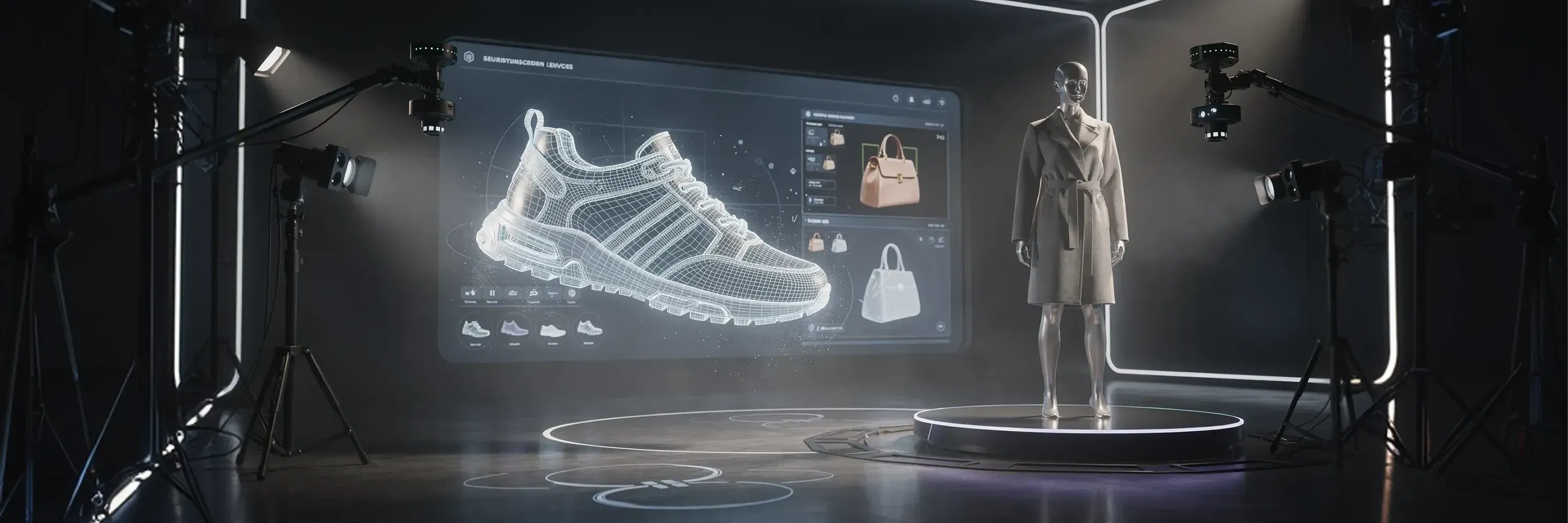
In this article, we analyze the strategic shift from static product photography to immersive 3D commerce driven by artificial intelligence. These tools reduce operational costs, minimize return rates, and prepare fashion brands for the agentic AI era of 2026.
Introduction
Fashion e-commerce faces a silent crisis where the rising cost of returns clashes with the engagement plateau of traditional photo grids. Luxury brands once treated 3D visualization and Augmented Reality (AR) as marketing novelties, but the market has reached an inflection point. The virtual try-on sector alone is projected to grow significantly, which proves that immersive experiences are becoming essential infrastructure rather than optional upgrades.
This shift is powered by the AI 3D model generator, a technology that transforms flat imagery into spatial assets with unprecedented speed. We are moving into an era where a brand's ability to generate accurate digital assets rapidly will define its profitability and market survival. Your supply chain will remain slow and expensive if you don't learn how to integrate these automated workflows now while competitors accelerate.
Shift to Immersive Commerce
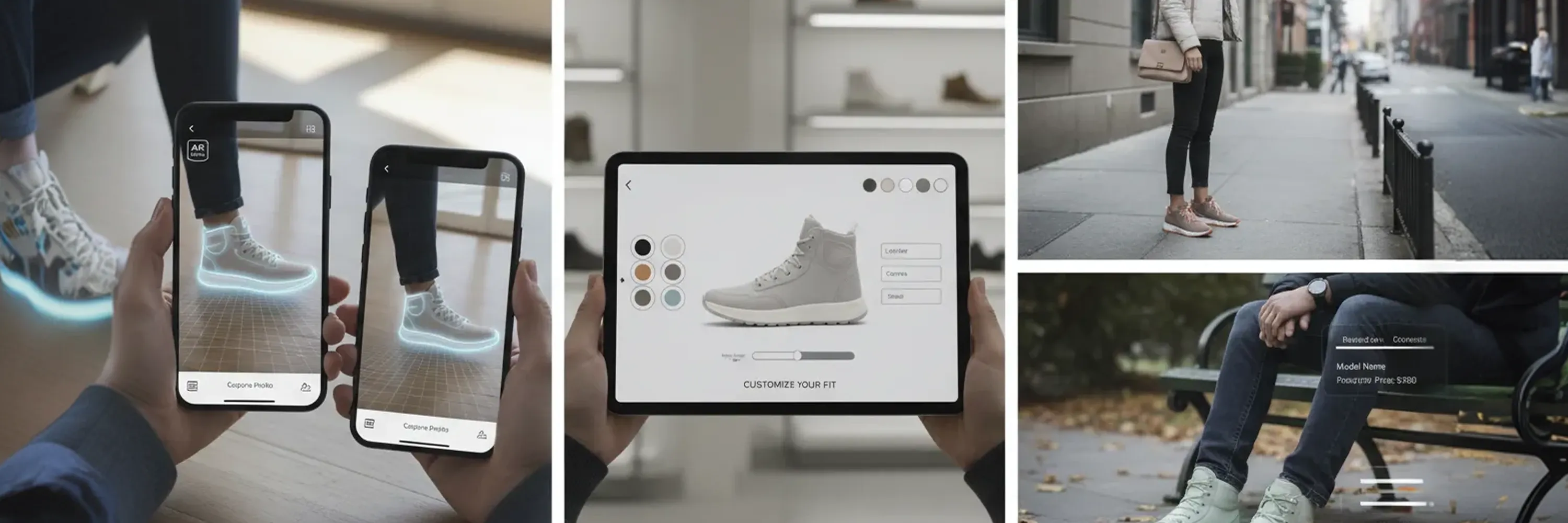
Modern shoppers engage less with static photo grids and expect dynamic interactions when they browse online stores. They want to rotate a sneaker, zoom in on fabric textures, and visualize how a handbag looks in a real environment. This shift transforms consumer behavior, requiring brands to address engagement. Static images fail to convey the spatial context that users demand, which leads to lower conversion rates. The move toward immersive experiences has become a business imperative for retailers who want to stay competitive, and many are turning to an AI 3D model generator to bridge this gap.
The data supports this need for visual depth. Retailers who implement virtual try-on technology report an average 30% increase in sales conversion rates and 30% fewer returns. This technology allows brands to move beyond flat photography and into immersive catalog building that keeps users on the page longer. Furthermore, the quality of these assets no longer poses a barrier to entry. According to Stylitics Research, 71% of shoppers said AI-generated product images looked the same or had only small differences from real photos.
You can start this transition through affordable 3D product digitization strategies that do not require massive budgets. The market clearly points toward this direction. Analysts expect the virtual try-on market to reach $48.10 billion by 2030 and grow at a massive 25.95% CAGR.
Digital Twin Democratization
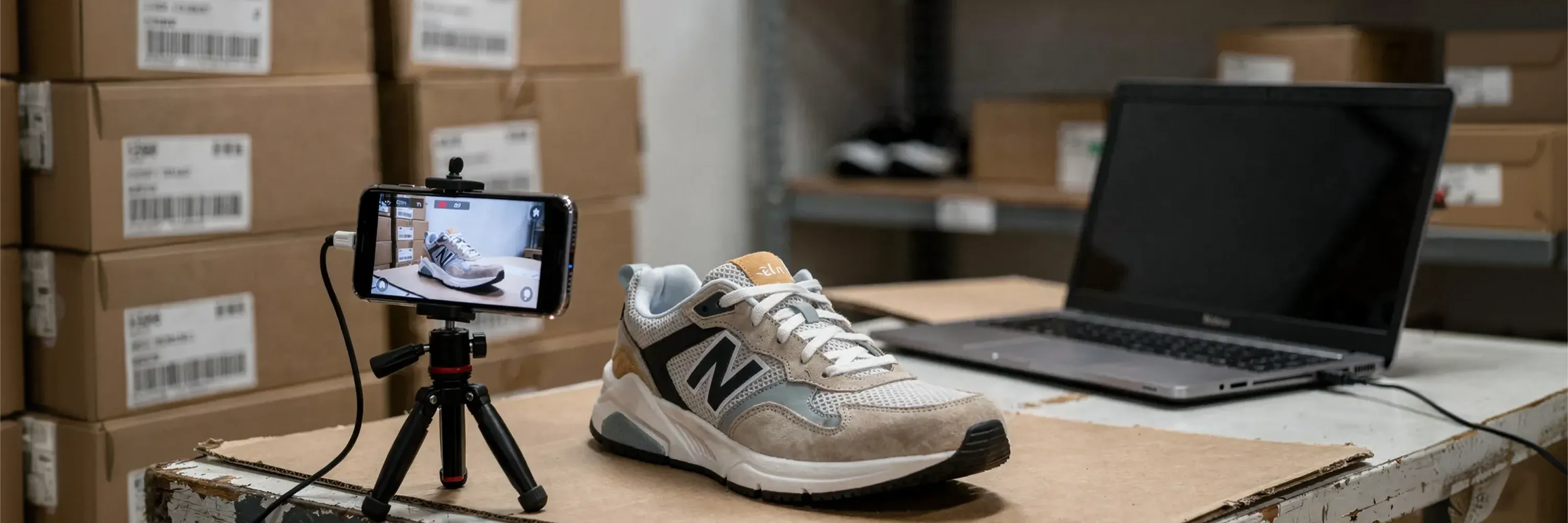
Ten years ago, creating a digital twin of a physical product required a team of CAD engineers, expensive laser scanners, and weeks of rendering time. Today, new software tools have removed these technical barriers and increased accessibility for small and medium-sized businesses. Companies no longer need to hire specialized 3D artists for virtual catalog creation. Instead, they use an AI 3D model generator to turn standard 2D photos into spatial assets in minutes.
Traditional methods and AI generation differ starkly in cost. Traditional fashion photoshoots cost between $2,000 to $15,000 per session, while AI solutions can deliver results for as low as $0.28 per image. For a brand with a catalog of 1,000 SKUs, traditional photography would cost between $50,000 and $100,000 annually. In contrast, AI tools reduce that expense to between $280 and $1,500 and yield 99% cost savings. This allows smaller brands to operate at scale and compete directly with industry giants.
Entrepreneurs using these AI-powered tools cut product photography costs by 80% while maintaining professional-grade imagery quality. This efficiency opens up new creative possibilities, such as implementing shoe virtual try-on ideas that were previously too expensive to consider.
Solving $50 Billion Fit Problem
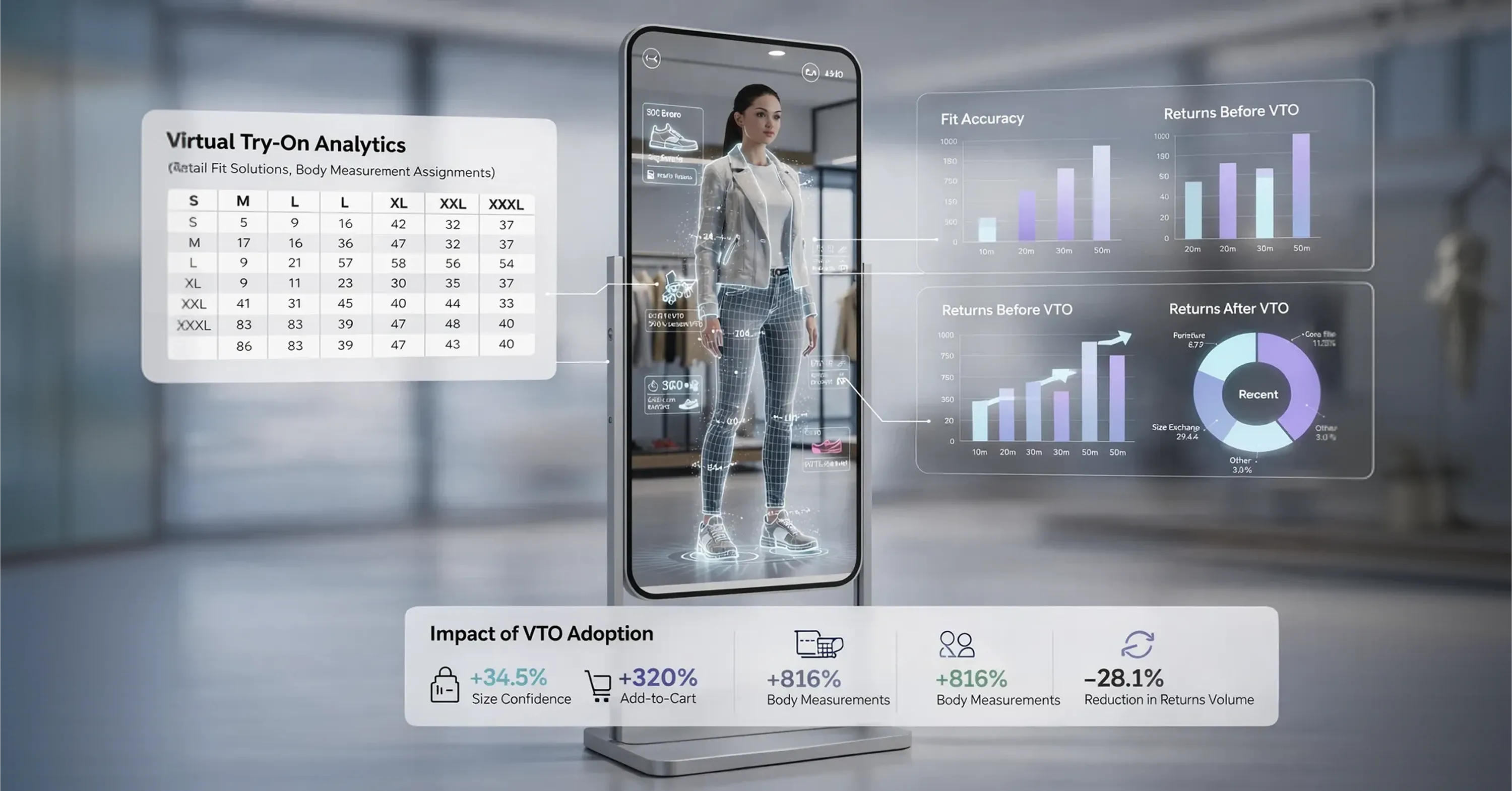
High return rates destroy retail margins, and poor fit stands as the primary culprit. Retail return rates average 30-40% for apparel, a figure that bleeds revenue from even the most successful brands. Virtual Try-On (VTO) technology offers a solution by providing customers with the precision they need to judge size and fit before buying. When brands use AI fashion models and accurate 3D assets, they turn VTO into a profitability strategy rather than just a marketing gimmick.
The financial impact of accurate visualization is measurable. Virtual fit modules reduce returns by 17% and increase purchase probability by 27%. Retailers prevent the "bracket shopping" behavior where users buy three sizes and return two by helping customers understand exactly how a garment or shoe will fit their specific body type. This capability is especially critical in the AI footwear try-on future, where fit is paramount.
Market data confirms that the industry is betting on this technology to solve the fit problem. Footwear is the fastest-growing virtual try-on segment and advances at 26.89% CAGR as foot-scan integration matures. Retailers who adopt these tools protect their bottom line by ensuring the product stays with the customer, not in a return pile.
Human-in-the-Loop Reality
Retailers often worry that automation means losing control over quality. They fear that algorithms will produce bad geometry or hallucinatory details that misrepresent the product, and these concerns are valid. However, the most effective strategy involves adopting a hybrid workflow where algorithms handle the heavy lifting while human experts refine the final output. This approach maintains your brand's integrity while securing automation's speed advantages.
The market data supports this collaborative approach. Marketers who combine AI drafts with human oversight consistently see better results than those who rely on full automation. In fact, 73% of marketers use this approach to achieve optimal performance.
Furthermore, AI content with human strategic oversight performs 4.1x better than fully automated output in rankings and engagement. This validates the need for a "human-in-the-loop" strategy. For instance, footwear brands often use a 2D to 3D shoe model guide to standardize how human designers verify the automated outputs, ensuring that the final asset meets the technical standards required for e-commerce.
Fabric Physics Challenges
Simulating fabric behavior remains one of the toughest technical challenges in 3D commerce. A silk dress falls differently than a denim jacket, and a customer who cannot see that difference will likely return the item. Current technology improves daily but still requires validation to ensure the digital texture matches the physical reality.
Recent studies show that OpenAI models achieve approximately 80% accuracy in fabric base construction classification. However, accuracy drops to 55% for detailed construction from images. Innovations like FabricDiffusion technology bridge this gap by transferring high-fidelity texture from 2D images to 3D garments, which allows the software to handle complex textures and prints without prior training. Even with these tools, a human expert must verify that the digital heavy knit looks as heavy as the physical one.
Expert Oversight Role
Human designers play an essential role in correcting AI hallucinations. Algorithms work fast, but they sometimes misunderstand complex cuts or invent details that do not exist on the physical product. A brand risks selling a promise it cannot keep if it relies too much on these models without oversight.
Research indicates that AI models struggle with complex fabric constructions and intricate designs. Relying too much on AI might hinder human creativity in textile design if experts do not intervene. Human experts ensure that the digital twin matches the physical inventory perfectly. While accuracy ensures quality, speed drives market relevance.
Operational Velocity in Fashion Retail
The fashion industry has historically suffered from slow production cycles. You wait weeks for physical samples, and the trend might pass by the time they arrive. An AI 3D model generator changes this dynamic by digitizing the supply chain. You increase your operational velocity when you replace physical sampling with digital iterations. This allows design teams to visualize changes instantly without waiting for a factory to ship a prototype.
Supply chain complexity costs fashion billions, making the financial impact significant. AI patterns cut 6-8 weeks from production timelines through digital workflow implementation. This speed gives brands the agility to react to micro-trends instantly. If a specific style trends on social media, a brand with a digital pipeline can modify existing 3D assets and move to production immediately.
Reports confirm that AI design tools reduce physical samples by 50% while they accelerate product development cycles. Furthermore, AI trend-sensing tools shorten the production timeline by 18 weeks in fashion design and development. Brands capturing the market move fast, while slower competitors sit on dead inventory.
Hyper-Personalization via Agentic AI
Retail technology will evolve from simple chatbots to autonomous agents by 2026. These agents will build personalized carts and visualize products on the user's specific body type rather than just answering questions. This shift enables virtual catalog creation that feels unique to every visitor. The industry is moving toward a digital boutique experience at scale where the store adapts to the shopper, rather than the shopper navigating the store.
Leading brands that launch owned AI agents see 5-15% conversion gains through personalized suggestions and improved checkout experiences. For example, Ralph Lauren launched “Ask Ralph,” an AI-powered conversational shopping tool that provides highly personalized shopping experiences. In this near future, AI fashion models will dynamically adjust to mirror the shopper's measurements and style preferences.
This level of hyper-personalization transforms the shopping journey from a search for products into a curated presentation of matches. The agent understands the customer's history, size, and preferences, using 3D assets to show exactly how items will look on them. This reduces the cognitive load on the shopper and significantly increases the likelihood of a purchase.
Conclusion
Integrating 3D generation represents a strategic overhaul touching every aspect of the retail value chain, from design to marketing. As we move toward an era of "inventory-less" retail and on-demand manufacturing, the brands that invest in these workflows today will define the market standards of tomorrow.
The window for early adoption is closing rapidly. You must begin cleaning your data and testing these workflows now to avoid being left behind by the immersive retail wave. If you wait until 2026 to adopt the AI 3D model generator into your infrastructure, you will likely compete against agile, automated competitors who have already mastered the art of budget AR try-on integration.
Frequently asked questions
Quick answers to the questions teams ask most about this topic.
You can use your current library of high-quality product photography to create these assets. An **AI 3D model generator** processes these standard 2D images and converts them into spatial assets without requiring new photoshoots or expensive equipment. This capability allows you to digitize your inventory quickly using resources you already own. You simply need to ensure your existing photos provide clear views of the product from multiple angles to achieve the best results.
You ensure realism by selecting a solution that specifically addresses texture mapping and physics. WEARFITS specializes in this area by offering a 2D-to-3D converter that transforms standard studio photographs into realistic models for footwear, bags, and apparel. Their platform eliminates the need for traditional CAD files while maintaining true-to-scale sizing. Additionally, their apparel solutions include heatmap technology that helps customers visualize exactly how the fabric fits on their body.
Your team does not need advanced CAD engineering skills to manage modern 3D workflows. Most current platforms function intuitively, so your existing creative staff can generate assets after minimal training. However, you should assign a product expert to review the final output. This person verifies that the digital textures and shapes match your physical inventory before you publish them to your store. This human oversight ensures your digital twins remain accurate.
Most 3D and AR solutions connect directly to your e-commerce platform through APIs, SDKs, or dedicated plugins. You can install these tools on systems like Shopify without rewriting your website's core code. Once connected, the viewer loads automatically on your product pages. This integration allows customers to interact with 3D models on their browsers or smartphones immediately, which creates a better shopping experience without requiring them to download separate apps.
You should invest now because building a comprehensive digital library requires time and refinement. Early adoption allows you to troubleshoot your data quality and workflow processes before consumer demand peaks. If you start this process today, you secure an advantage while other brands scramble to catch up. This preparation positions your infrastructure to handle the autonomous AI agents that will dominate retail interaction by the time 2026 arrives.