Virtual Try-On for Bags: Transforming Mobile E-Commerce Experiences in 2026

In this article, we analyze how interactive 3D technologies reshape the mobile shopping journey for accessory brands. We explore the specific ways high-fidelity visualization resolves common sizing and trust issues to create a smooth path to purchase.
Introduction
Fashion discovery has migrated almost entirely to the palm of our hands. Consumers scroll through feeds, spot trends, and engage with brands primarily on mobile devices. Yet, a persistent "conversion gap" remains. Mobile shoppers browse endlessly but purchase hesitantly. Statistics show that mobile conversion rates in fashion e-commerce sit at just 1.2% compared to 1.9% on desktop. This disparity exists because of the "flat glass" problem. A static, two-dimensional image on a small phone screen can't convey the true scale, texture, or presence of a luxury handbag.
To bridge this divide, retailers must adopt Intent-Driven Commerce. This approach recognizes that today's mobile shopper demands interaction, not just observation. They need to understand how a bag sits against the body and feel confident in its craftsmanship before tapping "buy." Virtual try-on for bags is no longer a futuristic novelty for the few. It's the essential infrastructure that makes high-ticket mobile commerce viable. Brands can provide the spatial context and visual certainty that customers require by replacing static photos with interactive experiences.
Overcoming "Small Screen" Sizing Paradox
Mobile screens distort size perception. This distortion causes shoppers to return accessories that looked perfect online but arrived too small or too large. Shoppers often struggle to gauge scale on a phone display, so they can't know if a tote fits a laptop or just a wallet. This uncertainty leads to a costly practice called bracketing, where customers buy multiple versions of the same item and return the ones that don't work. Radial reports that Gen Z accounts for 51% of this behavior.
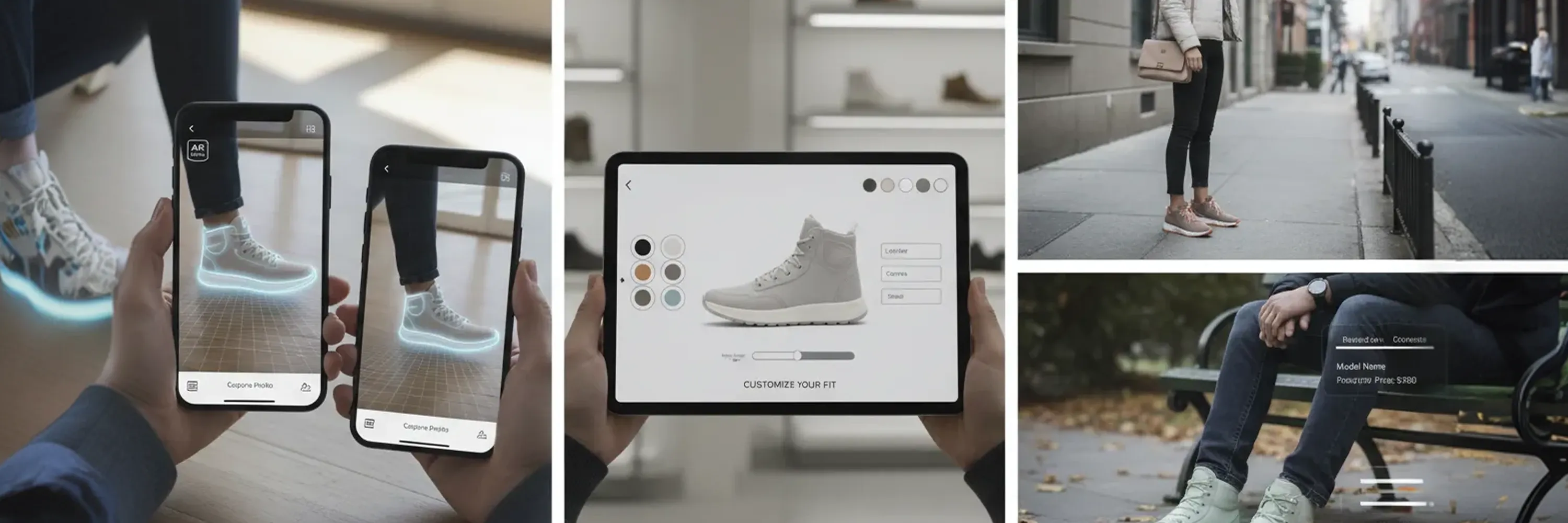
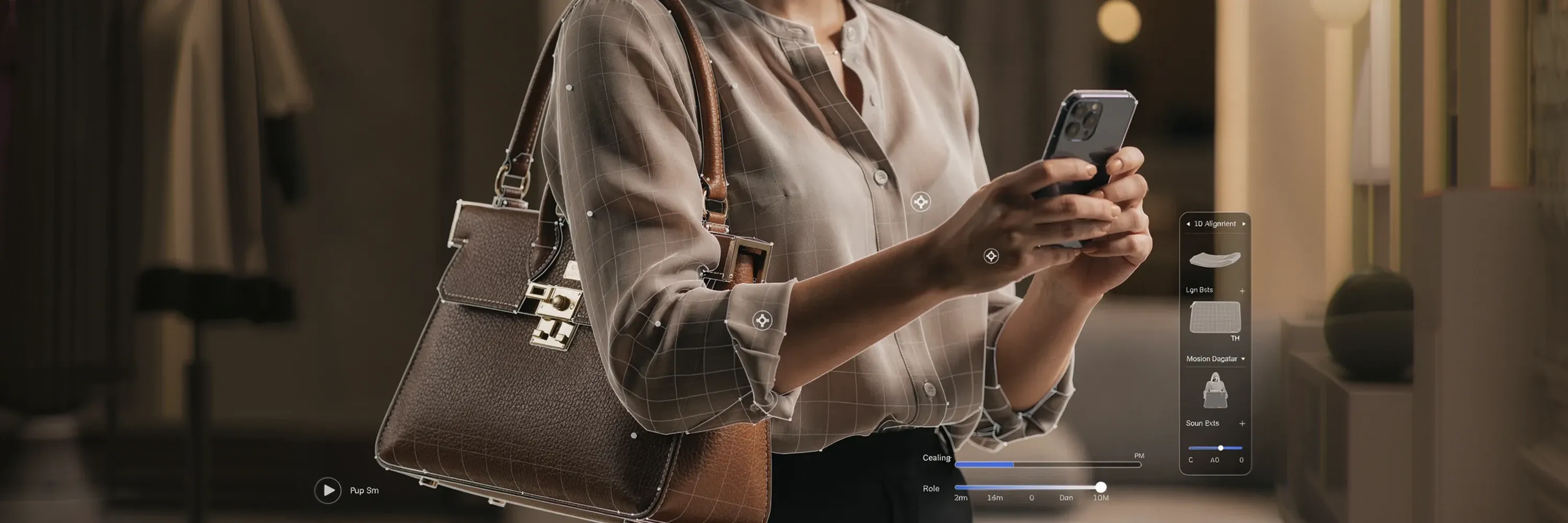
A digital preview solves this problem by placing the product in a realistic environment. When customers use a 3D sizing tool, they can rotate the item and place it next to a virtual silhouette to see how it hangs on the body. This comparison provides the context they need to make a confident decision. If retailers fail to provide this clarity, they will continue to see high return rates. Shopify data shows that 65% of online shoppers return items specifically because the products didn't fit their needs.
We recommend implementing a 3D handbag try-on feature to close this gap. This virtual try-on for bags technology offers the precision that static images lack. Radial emphasizes that accurate modeling and sizing are essential requirements for reducing fashion returns. The 3D viewer helps customers understand the physical reality of the product before it arrives at their doorstep. This understanding prepares them for a successful purchase.
High-Fidelity Textures as Trust Signal
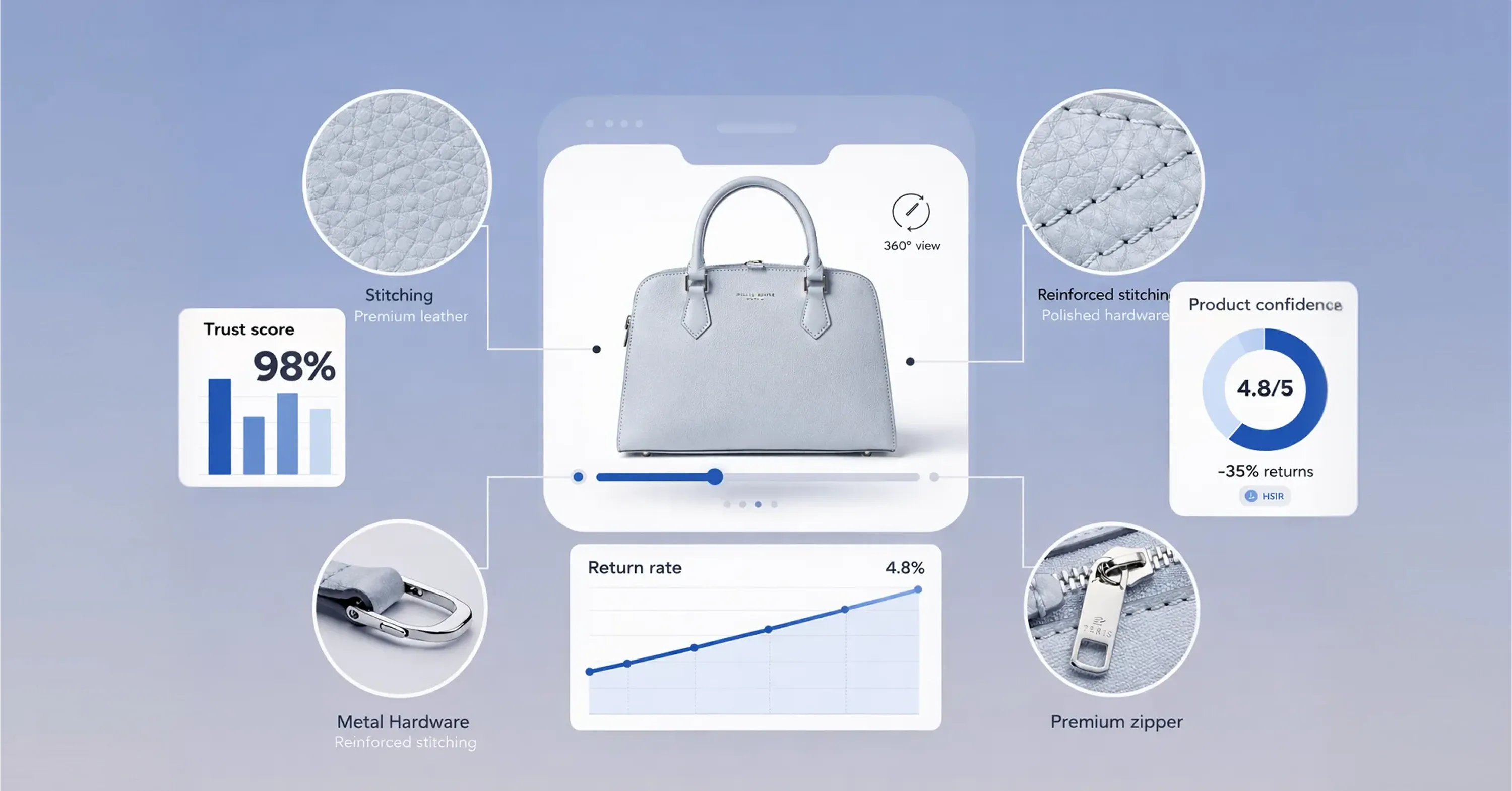
While size is crucial, material quality is equally important for confidence. Luxury shoppers rely on visual details to judge quality when they can't physically hold a product. A static image often fails to capture the intricate texture of leather or the shine of metal hardware. This limitation creates a disconnect between what the customer expects and what they receive. According to Ecommerce Fastlane, 36% of shoppers return items because the product didn't match what they saw online.
High-fidelity 3D rendering bridges this gap and allows users to inspect items closely. A virtual handbag preview lets shoppers zoom in on stitching patterns and material grains. This level of detail acts as a trust signal and assures the buyer that the product is authentic. Platforms like WEARFITS ensure that these visuals remain sharp even on mobile networks. You can check our interactive demonstration hub to see how this clarity works in practice.
While digital interaction can't replace physical touch entirely, it mimics the experience effectively. As Artemis Patrick, president and CEO of Sephora North America, noted at the NRF Big Show, "I am not sure I’ll ever see a world in my lifetime where people aren’t going to want to come in and touch and play with beauty." However, high-quality 3D bag fitting makes the digital experience feel more tangible. This visual certainty encourages customers to complete the purchase, and retailers can then focus on scaling this technology across their inventory.
Scalability and Integration for Modern Retailers
Scaling used to be difficult, but the landscape has changed. Technology that was once exclusive to enterprise giants has become accessible to independent retailers and boutique brands. In the past, implementing 3D visualization required custom coding, expensive hardware, and a dedicated technical team. These requirements created a high barrier to entry. Today, modern integration protocols have removed these obstacles. Platforms now offer tiered solutions that allow businesses to digitize small capsule collections or massive inventories without incurring prohibitive infrastructure costs.
This shift means that a virtual handbag preview is no longer a luxury feature reserved for the top 1% of the market. Brands can now deploy these tools quickly using standard plugins that work with existing e-commerce platforms. Gartner projects that 80% of retail brands will use such features for engagement by 2025. This statistic suggests that interactive experiences will soon become a baseline expectation for shoppers rather than a novelty.
Smaller brands are already proving that they can compete with luxury houses on customer experience. For example, the Cambridge Satchel Company provides an AR experience at a fraction of the cost typically associated with high-end luxury implementations. They achieved this by using flexible tools that scale with their needs. Retailers can start with their best-selling items and expand their digital catalog over time.
The process of creating these assets is also more efficient than it used to be. You don't need a Hollywood studio to create high-fidelity models. Automated pipelines can now take reference images and optimize these files for mobile viewing efficiently. This democratization of technology allows brands of all sizes to offer the spatial context their customers demand.
Financial Impact on Returns and Conversion
Meeting this customer demand drives tangible economic results. Retailers who deploy 3D visualization see a clear improvement in their bottom line because the technology simultaneously drives sales and cuts operational costs. The business case for virtual try-on for bags goes beyond marketing; it addresses the specific financial friction points of mobile e-commerce. When customers can visualize a product accurately, they buy with confidence and keep what they buy.
Returns pose a significant threat to profitability, especially for high-ticket accessories. Shoppers often return bags because the physical item doesn't match the size or look they imagined from a static photo. Interactive tools solve this problem because they set accurate expectations before the sale happens. Industry data supports this claim. According to Sayduck, 3D product visualization reduces product returns by approximately 40%. This reduction represents a measurable saving in logistics, restocking fees, and inventory devaluation.
While 3D tools protect revenue by preventing returns, they also generate new revenue by increasing conversion rates. A 3D bag fitting experience keeps users on the page longer and encourages them to explore the product details. This engagement directly translates to sales. For instance, data shows that shoppers who interacted with AR features on Rebecca Minkoff product pages were 65% more likely to make a purchase.
This dual effect makes 3D visualization an impactful investment for any fashion retailer. If you want to reduce return rates and increase purchase confidence, interactive models offer a proven solution. Brands create a more profitable sales cycle that benefits both the business and the consumer by replacing guesswork with certainty.
Conclusion
The shift toward 3D visualization represents a fundamental change in how we perceive digital ownership. As mobile devices cement their status as the primary storefront, the brands that succeed will be those that offer an immersive, transparent "pocket showroom" experience. Consumers now expect to inspect a potential purchase from every angle to understand its scale and texture before they ever touch the physical product.
Looking ahead to 2026, static product pages for accessories will likely be viewed as obsolete artifacts of an earlier internet era. Retailers who integrate 3D assets now are securing their place in a mobile-first future where interaction is the standard, not the exception. The technology to create these immersive retail strategies is already here, and it reshapes the economics of e-commerce. If you want to thrive in this new landscape, you must implement virtual try-on for bags to meet your customers where they are.
Frequently asked questions
Quick answers to the questions teams ask most about this topic.
You generally don't need a specific app to access these features. Most modern solutions run directly in your mobile browser through WebAR technology. You simply tap a button on the product page to activate the camera view. This approach removes friction because it lets you see the bag immediately without visiting an app store.
Virtual try-on for bags displays products with high scale accuracy when developed correctly. The software detects the distance between the camera and your body to render the handbag at its true-to-life size. This precision helps you gauge if a tote fits your laptop or if a clutch suits your frame. You should check the dimensions listed on the product page to confirm specific measurements.
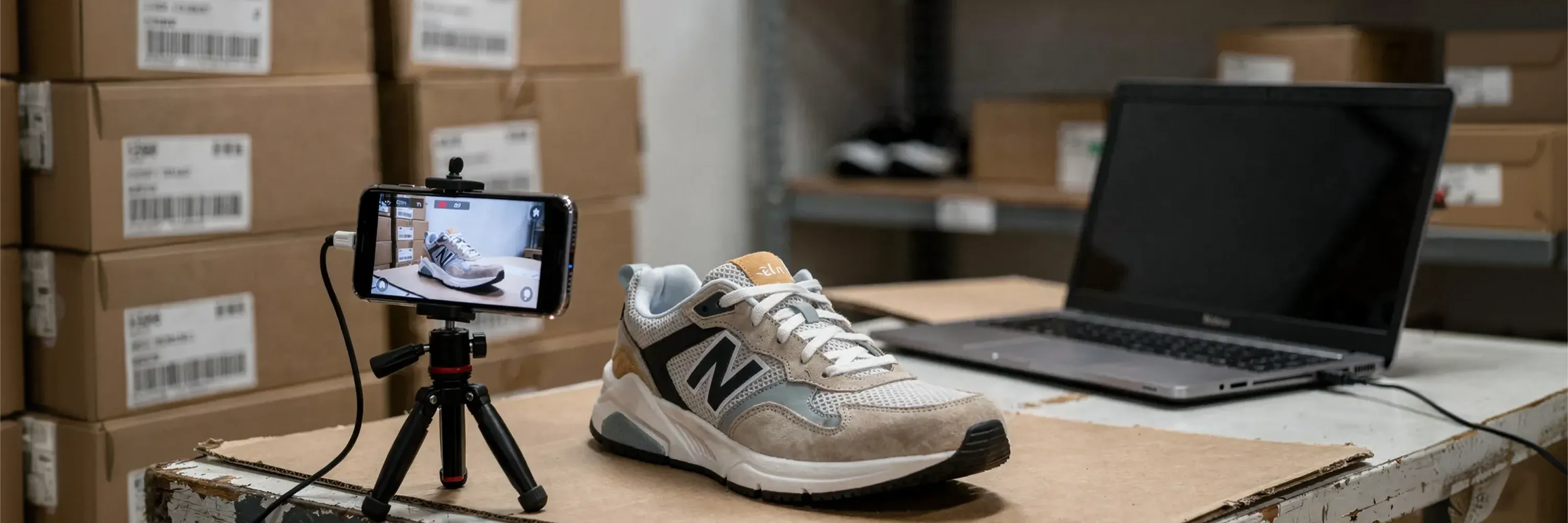
You can convert standard product photography into interactive models using automated converters. WEARFITS provides a 2D-to-3D converter that transforms over 30 studio photographs into ready-to-use 3D models without requiring expensive CAD files. This process automatically generates the digital asset for you. It significantly reduces the time and technical expertise needed to digitize an entire accessory catalog.
Small retailers can afford these tools because pricing models have shifted recently. Many platforms now offer tiered subscriptions that allow you to digitize just a few best-sellers rather than an entire inventory. You can start with a small capsule collection to test engagement before scaling up. This flexibility lets independent brands compete with luxury houses without a massive upfront investment.
High-fidelity rendering technologies allow you to zoom in on specific material details. You can inspect the grain of leather, stitching patterns, and the shine of metal hardware directly on your mobile screen. These visual details act as important trust signals that help you judge quality. The technology optimizes these textures to remain sharp even when you view them over standard mobile networks.