Scalable Virtual Try-On Strategies for High-Volume Catalogs

In this article, we examine the operational strategies and technical requirements needed to transition virtual try-on from a pilot program to a fully integrated solution. We discuss the challenges of data governance, legacy system integration, and infrastructure overhaul that require attention during high-volume implementation.
Introduction
Industry conversations often focus on the return on investment of virtual try-on, but few discussions address the logistics of digitizing 100,000 SKUs. We frequently see brands celebrate a successful marketing pilot with 50 products, but they encounter obstacles when they try to roll out the technology across an entire catalog. The ease of a controlled test environment contrasts with the reality of integration because data inconsistencies and manual workflows create bottlenecks.
We move beyond the hype to discuss the infrastructure required for scalable virtual try-on. This represents a fundamental infrastructure overhaul rather than a frontend user experience update. Research indicates that ERP integration projects fail 40% of the time because of complexity and poor planning, and the same risks apply here. In this article, we guide readers through the operational, technical, and data governance challenges necessary to build a sustainable system.
Pilot Paradox: Why Scaling Fails
These challenges often remain hidden because success in a controlled pilot environment creates a false sense of security. Managing a pilot for fifty items requires manual effort that teams can sustain for a few weeks. However, applying that same manual rigor to fifty thousand items creates immediate operational debt. Processes rely on individual file uploads, manual quality checks, and one-off data entry, and they quickly break down when volume increases. The pilot paradox occurs when methods used to prove the concept become obstacles that prevent expansion.
Retailers frequently overlook data readiness before they attempt to scale. Virtual try-on software cannot function correctly across a massive catalog if the product data lacks standardization. For example, a shoe virtual try-on might work with basic images, but scalable virtual try-on requires precise metadata to ensure accurate scaling and physics.
The transition from physical sampling to digital workflows illustrates the need for preparation. Mordor Intelligence reports that virtual sampling shrinks physical prototypes by 70%, and this saves significant costs but demands high-quality digital inputs. Automation fails without precision in the underlying data, and the project stalls. We must address these foundational data issues before purchasing expensive licenses for full-scale deployment, but clean data alone does not solve the asset production volume problem.
Catalog Digitization Bottleneck
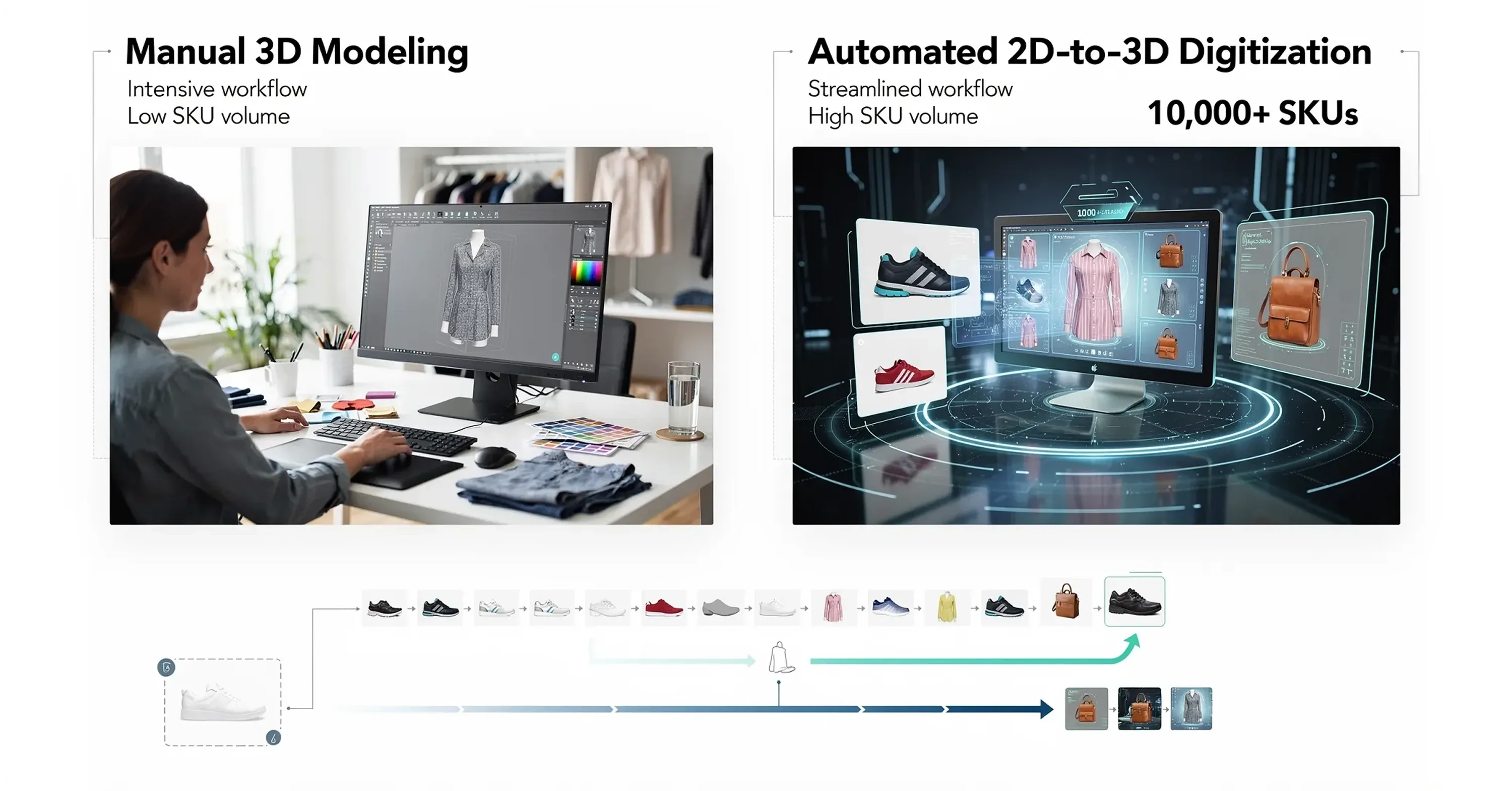
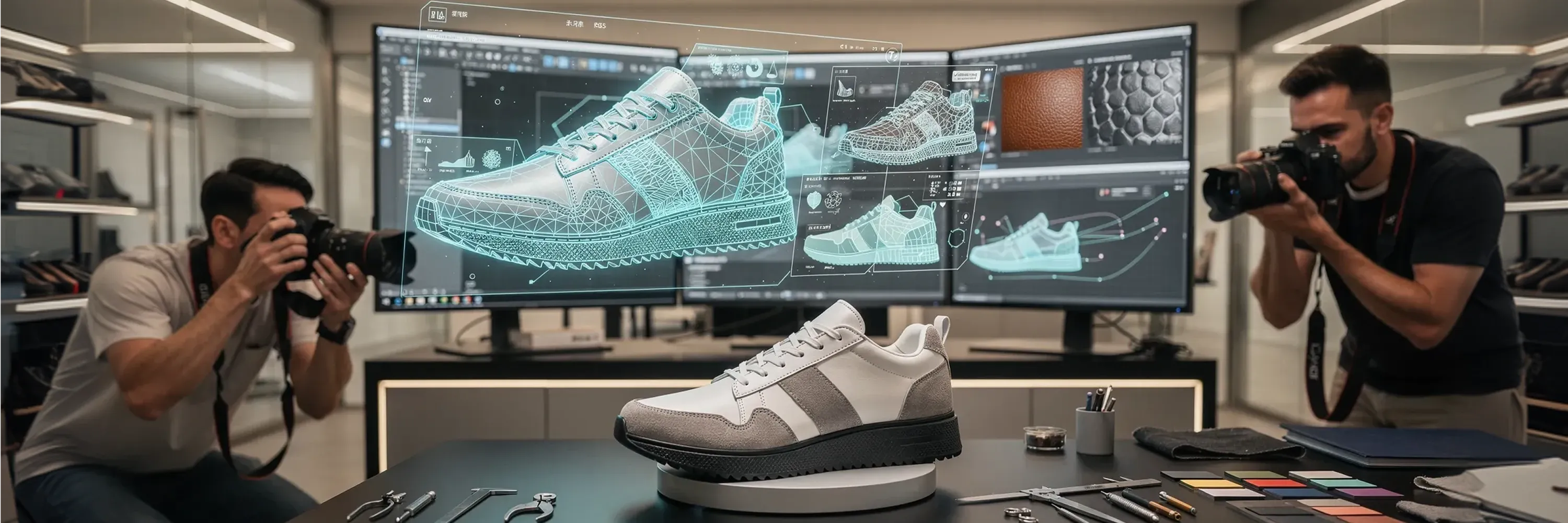
The immense cost and time associated with creating 3D assets act as the primary barrier to scalable virtual try-on. Historically, 3D artists built each model manually using CAD software; this process yields high-quality results but moves too slowly for fast fashion or large catalogs. This manual approach prevents most retailers from digitizing more than a fraction of their inventory. We must treat asset creation as an infrastructure challenge rather than a design task.
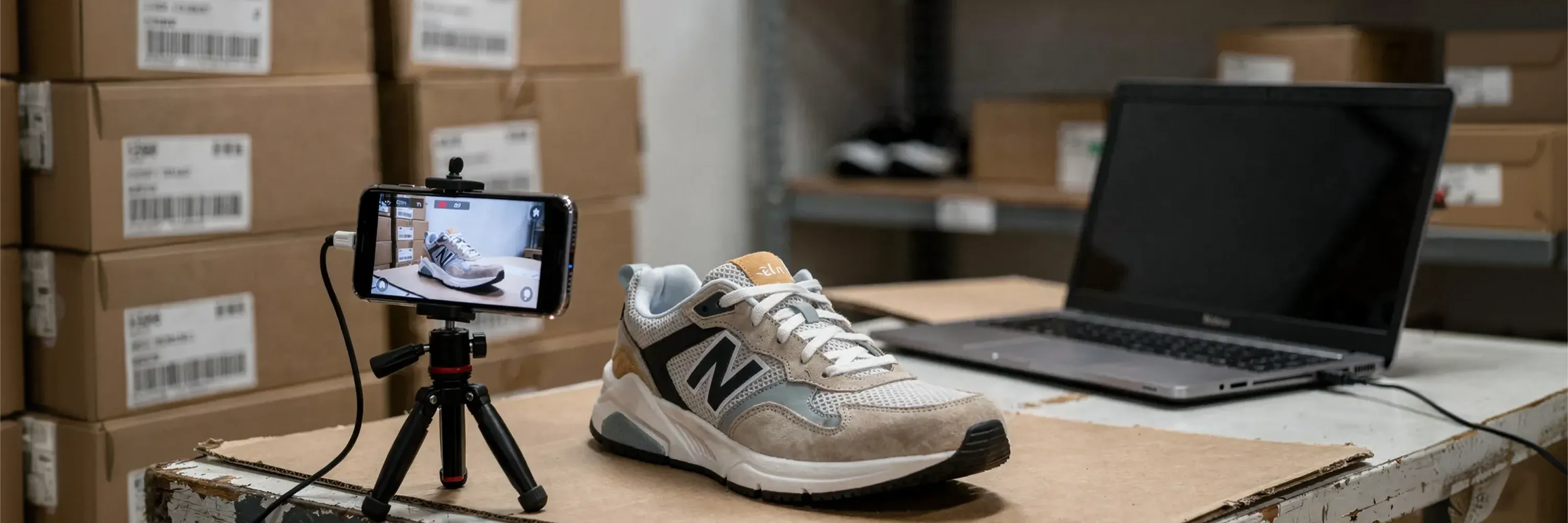
We need to shift away from manual creation toward automated conversion tools that prioritize efficiency. These tools convert existing 2D product photography into 3D models at a speed that matches retail turnover. According to Style3D, traditional photoshoots cost $25,000 versus $1,000 monthly for automated tools. This dramatic reduction allows operations teams to justify the expense of affordable 3D product digitization and complete catalog digitization across thousands of SKUs.
Furthermore, these tools reduce material waste in the design phase. Style3D notes that automated conversion reduces prototyping time by 80% and cuts waste. Retailers can finally align their asset creation speed with their inventory cycles by adopting these automated pipelines.
Catalog Digitization with Automation
These automated pipelines change the scope of what is possible. When we use automated 2D-to-3D conversion, we transform a multi-year digitization project into a manageable quarterly goal. This velocity is essential because retailers introduce hundreds of new items weekly. Manual modeling simply cannot keep pace with modern inventory turnover.
Six Atomic reports that automated conversion reduces design time by 90% compared to manual processes. This speed allows teams to process entire categories of products simultaneously rather than selecting only "hero" items for catalog digitization.
Automating the bulk of the work allows 3D artists to focus on refining complex textures or unique geometries rather than building basic shapes from scratch. This approach ensures that the digitization process scales linearly with the business, rather than becoming a bottleneck that limits growth, although high-speed production requires strict attention to file performance.
Quality and File Size Balance
Technical teams must manage the trade-off between visual fidelity and performance. High-resolution 3D models look impressive on a desktop monitor, but they often fail to load on a mobile device over a 4G network. enterprise virtual try-on requires strict optimization to ensure that assets load instantly. If a user has to wait ten seconds for a shoe to appear, they will abandon the experience.
We must prioritize file compression and polygon reduction without sacrificing the details that drive a purchase decision, such as fabric texture or shoe rigidity. The goal is to provide enough visual information to give confidence in the product, not to create a cinematic asset. Optimization strategies ensure that the enterprise virtual try-on tool functions smoothly across the wide range of devices, rather than just the high-end hardware used in design labs, but visual optimization fails if the underlying product data remains disconnected.
Legacy Systems Integration
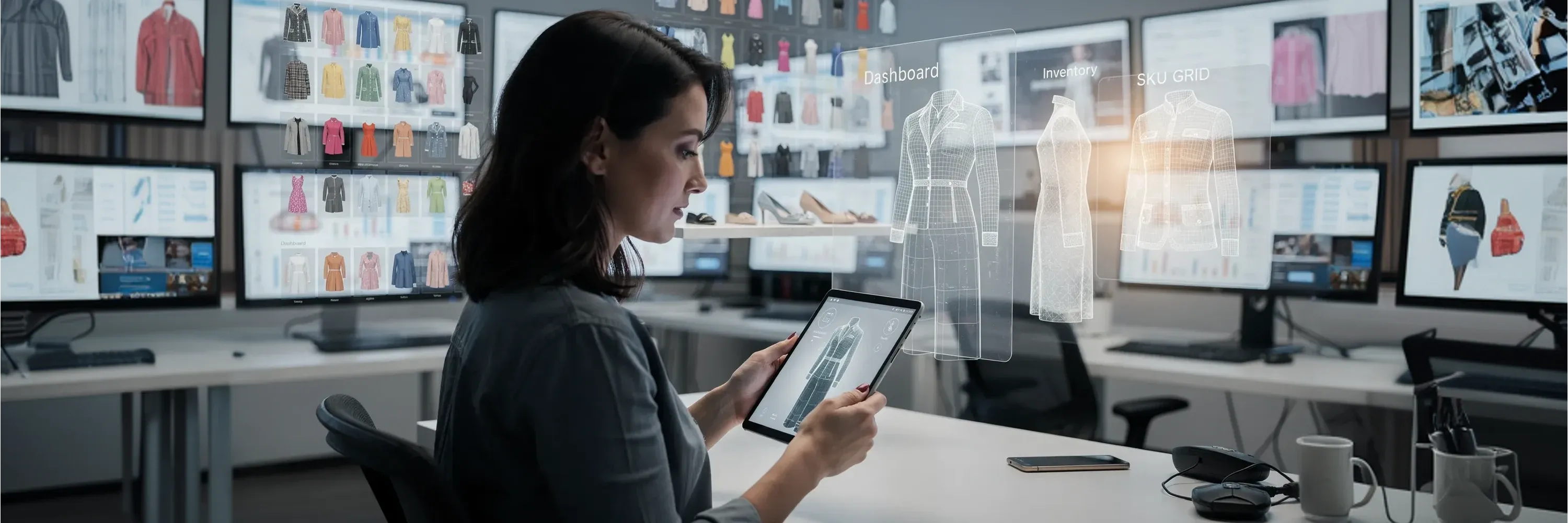
Connecting modern frontend experiences with aging ERP and PIM systems presents the most significant technical hurdle. A flashy AR interface means nothing if it displays products that are out of stock or references incorrect sizing charts. Scalable virtual try-on relies on a solid architecture that connects the frontend experience with backend reality. Without this connection, retailers risk selling ghost stock because items appear available in the AR view but do not exist in the warehouse.
Governance becomes critical when integrating these disparate systems. As Tredence notes, technology integration requires data governance and cleansing to succeed. We cannot simply overlay a new 2D to 3D generator onto a messy database and expect it to work. The data must be clean, structured, and consistent.
Teams often underestimate the hidden complexities of this integration. According to DOOR3, legacy system integration challenges include data silos and compatibility issues. Focusing on the following integration points helps mitigate these risks:
-
Inventory Synchronization: Real-time updates between the VTO interface and the warehouse management system prevent overselling.
-
Sizing Consistency: Mapping the digital fit data directly to the PIM sizing attributes ensures the virtual try-on recommends the correct physical size.
-
Asset Management: Linking 3D assets directly to the master SKU data prevents version control errors where customers see outdated product designs, yet backend integrity means nothing if the customer cannot easily access the experience.
Device Compatibility Through WebAR
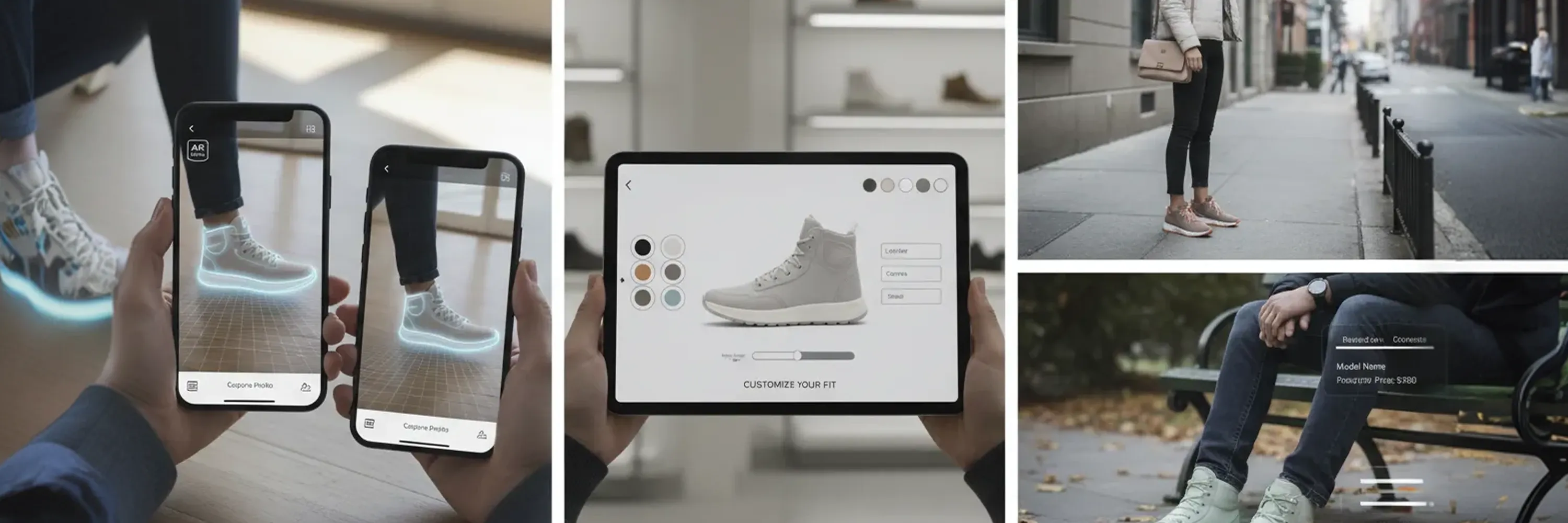
A scalable virtual try-on strategy succeeds only when it is accessible to the customer instantly. Shoppers face friction that kills conversion rates when they must download a 200MB mobile application to try on a pair of sunglasses. Native applications offer high performance. However, they restrict the audience to only the most loyal customers who are willing to commit storage space to the brand. We must prioritize Web-based Augmented Reality (WebAR) to reach the widest audience because it allows users to access the experience directly through their mobile browsers.
WebAR solves the issue of hardware fragmentation because it delivers a standardized experience across different devices. While 85% of flagship smartphones supported ARKit or ARCore in 2023, a significant portion of the global market still uses older or mid-range devices. WebAR frameworks adjust visual fidelity based on hardware capabilities. This ensures stability and performance even on non-flagship phones. This accessibility allows retailers to serve markets where the latest iPhone is not the standard.
Lower barriers to entry align with consumer behavior. Imagine.io reports that 78% of consumers prefer AR experiences for real-time interaction, but they want these interactions to be immediate. Solutions like virtual try-on for bags demonstrate how browser-based integration keeps the customer in the purchase flow without interruption. We remove the app download hurdle to ensure the technology serves the business goal of conversion rather than just being a technical novelty, but driving conversion requires managing the risk of returns.
Return Mitigation Through Expectations
Visual confidence does not guarantee physical fit. A customer might love how a jacket looks on their digital avatar, yet still return it because the shoulders are too tight. This disconnect drives the high return rates that plague the fashion industry. CX Today notes that 93% of consumers cite incorrect sizing or fit as the top reason for returning items. Therefore, an enterprise virtual try-on solution must balance high-quality visualization with accurate fit prediction to build trust with the shopper.
We recommend adopting an empathy expert model in the digital strategy. This means the system should guide the user toward the right size rather than just show them a pretty picture. The technology is improving rapidly in this area. Recent data shows that realistic digital draping can reduce size-related returns by up to 50%. However, technology alone is not enough. We must also manage customer expectations through clear communication and reliability in the data.
We suggest the following operational steps to effectively mitigate returns:
-
Combine Visuals with Data: Display the recommended size prominently alongside the AR view, and use the customer's purchase history and measurements to inform the suggestion.
-
Add Disclaimer Text: Clearly state that the virtual try-on is a visualization tool and refer customers to the detailed size guide for precise measurements.
-
Implement Feedback Loops: Ask customers who return items specifically if the virtual try-on representation matched the physical product, and use this data to calibrate 3D assets.
-
Visualize Tension: Use heat maps or color overlays on the 3D model to show where a garment might be tight or loose on the customer's specific body shape, and these data-rich models also prepare the inventory for upcoming platforms.
Future Strategy Preparation
The investments we make today in catalog digitization and data infrastructure lay the groundwork for the next era of commerce. We are moving toward a spatial web, where devices like the Apple Vision Pro and Meta Quest transform how consumers interact with digital products. While these devices are not yet ubiquitous, the underlying asset requirements, such as clean 3D models and structured metadata, are the same as what we need for current WebAR experiences.
Retailers prepare their inventory for this shift when they build a scalable virtual try-on workflow now. The market trajectory supports this long-term vision. Mordor Intelligence projects the Virtual Try-On market will reach $48.10 billion by 2030. This growth indicates that 3D assets will soon become as standard as 2D photography is today.
Retailers who treat enterprise virtual try-on as a core operational capability rather than a temporary experiment will gain a competitive advantage. Innovation in this space is not about chasing the latest headset. It is about creating a flexible content pipeline. When the hardware evolves, the brands with organized, high-quality 3D data will be ready to deploy their catalogs to new platforms instantly, while competitors scramble to catch up, which highlights the need to treat this technology as a fundamental operation.
Conclusion
Scaling virtual try-on functions as a complex supply chain and data governance initiative rather than a marketing project. When we treat this technology as an infrastructure overhaul, we solve the underlying "dirty data" problems that plague expansion efforts. Early adopters who address these foundational issues now will secure a competitive advantage as spatial computing becomes the standard.
We recommend an audit of data readiness before the purchase of additional software. A scalable virtual try-on strategy depends on the strength of backend integration, not just the polish of the frontend interface. For brands ready to move beyond the pilot stage, WEARFITS offers AI-powered 2D-to-3D conversion, catalog-native API integration, and virtual try-on across footwear, bags, and apparel
Frequently asked questions
Quick answers to the questions teams ask most about this topic.
Pilots often fail because manual workflows for fifty items break down when applied to thousands. You must replace individual file uploads and manual quality checks with automated pipelines and standardized data governance. This infrastructure shift ensures your systems handle the volume without creating operational bottlenecks.
You can lower costs by shifting from manual 3D design to AI-driven conversion tools. These tools transform standard product photography into 3D models instantly and allow you to digitize huge catalogs efficiently. Adopting this automation creates a truly scalable virtual try-on strategy that matches the speed of retail inventory turnover.
Integration struggles often stem from data silos and mismatched sizing attributes in older databases. You need a solution that synchronizes real-time inventory and fit data directly with your backend architecture. WEARFITS resolves this by offering API and SDK integrations that connect 3D visualization tools directly with your existing e-commerce platforms.
WebAR allows customers to experience augmented reality directly in their mobile browsers without downloading large apps. This technology automatically adjusts the visual quality based on the user's specific hardware capabilities. This flexibility ensures that shoppers on older or mid-range devices still receive a smooth and stable viewing experience.
Visualization tools reduce returns only when you combine them with accurate fit data. You should display size recommendations alongside the AR view and use heatmaps to show where garments might feel tight. This approach manages customer expectations by distinguishing between how a product looks and how it actually fits.