WEARFITS in Forbes Polska: What Quiet luxury teaches us about the future of fashion

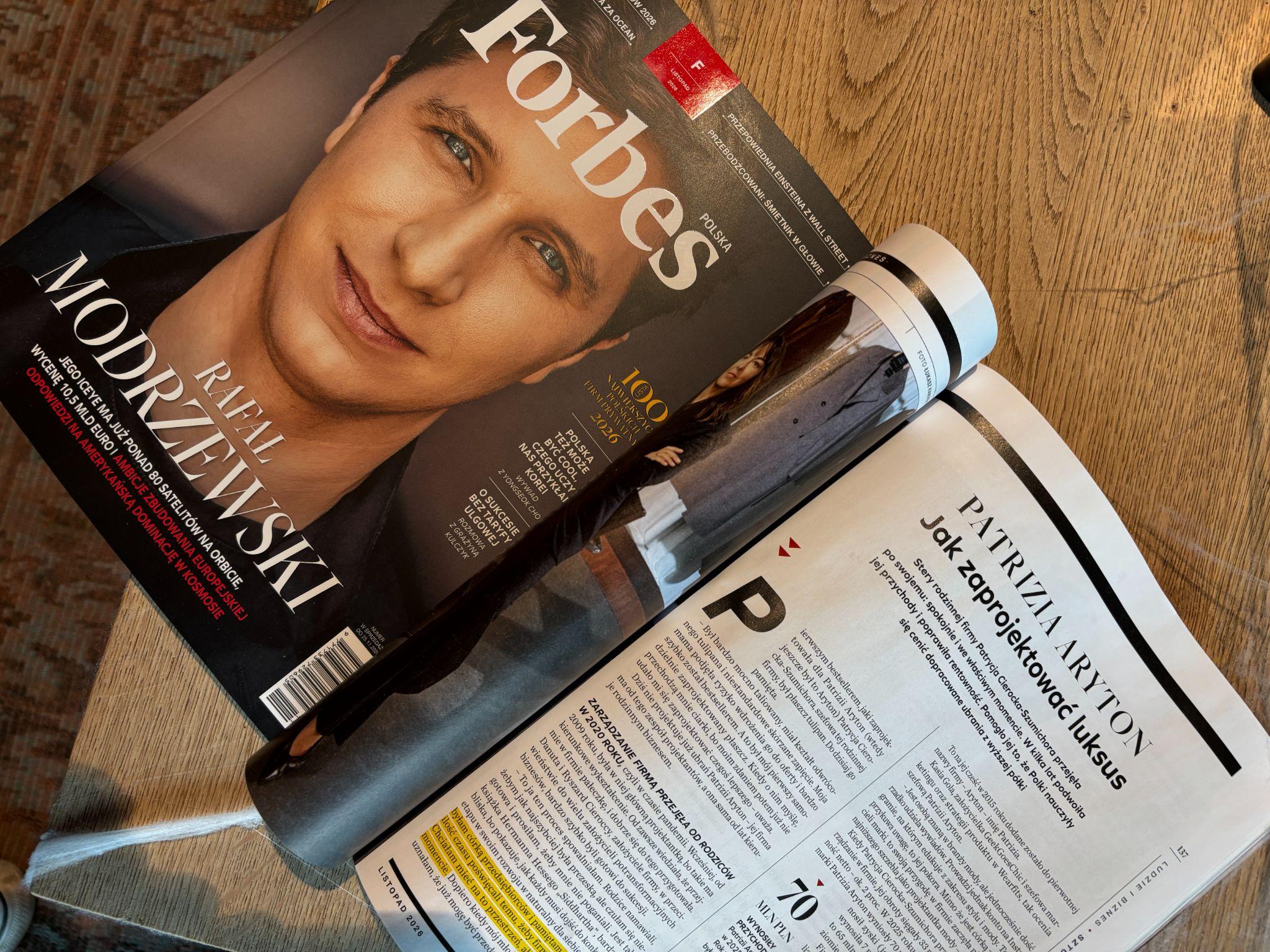
What makes a fashion brand truly valuable? Is it global recognition, rapid growth, an impressive price tag, or something much harder to replicate?
These questions are at the heart of a recent Forbes Polska feature examining the success of Polish fashion brand Patrizia Aryton. We are pleased to share that Kasia Gola, Head of Marketing and Product Strategy at WEARFITS and founder of GeekGoesChic, was invited to contribute her expert perspective on the brand's positioning, leadership and business strategy.
The article, Patrizia Aryton. Jak zaprojektować luksus (How to Design Luxury), written by Magdalena Lemańska and published on October 29, 2026, explores how a Polish family-owned company has developed a distinctive position in luxury fashion.
For us at WEARFITS, this conversation goes beyond one brand's success. It touches on questions that shape our daily work at the intersection of fashion, retail and technology: how brands establish trust, why authenticity matters, what consumers increasingly expect from premium products, and how innovation can strengthen rather than dilute brand identity.
WEARFITS in Forbes Polska: A fashion industry perspective
At WEARFITS, we spend much of our time looking at fashion from a technological perspective. We develop AI-powered virtual try-on solutions, augmented reality experiences and product digitization technologies that help fashion businesses improve the online shopping journey.
But technology is only one part of the equation.
To build meaningful solutions for fashion, we must first understand how the industry operates: what drives purchasing decisions, how brands differentiate themselves, why consumers become loyal to particular labels and what makes a fashion business resilient.
This is why Kasia Gola's contribution to Forbes Polska is especially relevant to our work.
In the article, Kasia analyzes Patrizia Aryton through the lens of brand strategy, market positioning and business economics. She describes the company as an example of "affordable quiet luxury", placing it closer to the luxury segment than to conventional premium fashion.
She also draws attention to the leadership of Patrycja Cierocka-Szumichora, whose professional path within the family company reflects an approach built on knowledge, experience and humility.
Rather than treating luxury as a question of price alone, Kasia examines the underlying business decisions that make the brand distinctive.
This approach reflects something we strongly believe at WEARFITS: the most interesting developments in fashion happen when creative vision, business strategy and an understanding of consumers come together.
Quiet Luxury is more than an aesthetic
Quiet luxury has become one of fashion's most recognizable concepts. Minimalist silhouettes, neutral colors, exceptional materials and discreet branding are often associated with the trend.
Yet the visual language of quiet luxury is only its most visible expression.
What makes this positioning interesting from a business perspective is the relationship between product quality, consumer expectations and perceived value.
A minimalist coat does not automatically become a luxury product because it lacks a visible logo. Its value must come from something more substantial: the materials, construction, craftsmanship, design or experience associated with owning it.
That distinction matters.
Luxury brands have traditionally relied on storytelling, heritage, exclusivity and recognizable design codes to communicate their value. Quiet luxury introduces a particularly interesting challenge: how do you communicate exceptional quality when the product itself deliberately avoids attracting attention?
For brands following this philosophy, every detail becomes part of the story.
The cut of a garment, the texture of a material, the way a handbag holds its shape or the precision of its finishing can become more important than highly visible branding.
Patrizia Aryton provides an interesting example of this approach. As the Forbes feature explains, the company has built its identity around premium natural fabrics, sophisticated tailoring and an understated aesthetic.
But the broader lesson extends far beyond luxury fashion.
When branding becomes quieter, the product experience needs to speak louder.
For us, this also raises an important question about the future of online retail: how can digital environments communicate qualities that customers traditionally discover through touch, movement and physical interaction?
The real challenge for premium fashion e-commerce
Imagine shopping online for a beautifully crafted coat.
You can see professional campaign photography, a detailed product description and information about the composition of the fabric. Perhaps you can zoom in on individual photographs.
But several questions remain unanswered.
How will the silhouette look on your body? Will the proportions complement your height? How does the garment work with the rest of your wardrobe? Does its appearance justify the investment?
These questions are not limited to luxury shopping. They affect footwear, handbags, accessories and apparel across different price categories.
However, the expectations associated with a premium purchase make them particularly important.
In a physical boutique, the customer can examine the product, try it on, compare alternatives and receive guidance. Online shopping traditionally offers fewer opportunities for this type of interaction.
That gap is one of the challenges we are addressing at WEARFITS.
Our virtual try-on solutions are designed to help shoppers visualize fashion products in a more personalized context. Through augmented reality, generative AI and digital product experiences, we aim to make online shopping more intuitive and informative.
For example, AR virtual try-on for handbags helps customers assess a bag's proportions and appearance in relation to their own body. Instead of relying exclusively on product photographs, they can explore how an accessory might look when worn.
Similarly, generative AI virtual try-on for apparel enables shoppers to visualize garments on themselves or on personalized digital representations.
These experiences do not replace the craftsmanship of a physical product. They help communicate it in a digital environment, while giving consumers additional context before making a purchasing decision.
The goal is not to make fashion more technological for its own sake.
It is to make the shopping experience more useful.
Why brand identity matters more than ever
One of the most thought-provoking observations in the Forbes article concerns the question of growth.
Kasia Gola considers whether Patrizia Aryton needs to pursue large-scale international expansion at all.
It is an interesting question because the fashion industry often celebrates scale as an unquestionable measure of success.
More countries, more stores, more products, more visibility.
Yet expansion does not automatically create a stronger brand.
For a company with a distinctive identity, rapid growth can also introduce risks. New distribution channels may change how customers perceive the label. Broader audiences can create pressure to adjust pricing or product design. Increased production volumes may challenge existing quality standards.
This creates a strategic tension: how can a company grow without losing the characteristics that made it desirable in the first place?
The issue is relevant not only to established luxury brands, but also to emerging independent labels.
A fashion company's competitive advantage may come from its specialized expertise, close relationships with customers, local production or highly recognizable aesthetic.
These qualities can be difficult to maintain when growth becomes the dominant objective.
We see a similar principle in fashion technology.
The best digital strategy is not necessarily the one with the greatest number of tools, features or automated processes.
It is the strategy that supports the brand's actual needs.
A luxury brand may prioritize realistic product visualization and a carefully designed digital customer experience. A fast-growing footwear retailer may focus more heavily on sizing assistance and scalable product digitization. An accessories business may benefit from helping shoppers understand dimensions and proportions before purchasing.
Different businesses require different approaches.
Technology should adapt to a brand's identity and business model, not force the brand to adapt to the technology.
From product storytelling to product experience
Fashion has always been a highly visual industry.
Editorial photography, runway shows, campaign videos and social media have shaped how consumers discover collections and develop emotional connections with brands.
Digital commerce has made these visual assets even more important.
However, we believe the next stage of fashion e-commerce will involve a shift from simply showing products to allowing customers to experience them.
Traditional product pages primarily communicate information in one direction: the retailer presents images and descriptions, while the customer interprets them.
Interactive technologies introduce a different possibility.
Customers can explore products in three dimensions, examine their appearance from multiple perspectives and visualize how they might look when worn.
This is particularly interesting for categories where shape, texture and proportions influence purchasing decisions.
At WEARFITS, we have been exploring new approaches to digital realism, including Gaussian Splatting-powered virtual try-on.
Gaussian Splatting enables detailed digital representations of objects, including complex surfaces, materials and lighting characteristics.
For fashion, such developments open up new possibilities for representing products with greater visual fidelity.
But the technology itself is not the most important story.
The real opportunity lies in what improved visualization can offer consumers: a better understanding of the product, greater confidence in their choices and a digital shopping experience that feels closer to the way people naturally evaluate fashion.
For brands whose identities depend on subtle details and exceptional materials, this evolution could become especially valuable.
Can fashion technology help preserve what makes luxury special?
Technology and luxury are sometimes presented as opposing concepts.
Luxury is associated with tradition, craftsmanship, exclusivity and personal attention. Technology is associated with automation, efficiency, accessibility and scale.
But these qualities are not necessarily incompatible.
Technology can support traditional craftsmanship by helping customers understand and appreciate the products that result from it.
A detailed digital representation cannot recreate the physical sensation of touching fine wool or leather. It can, however, communicate shape, texture, color and proportions in ways that conventional product photography may not fully capture.
Virtual try-on can also give customers more opportunities to explore styling possibilities before buying.
For retailers, AI-powered product digitization can make it easier to develop interactive experiences across larger collections without rebuilding every digital asset manually.
These capabilities may help fashion companies extend elements of their in-store experience into e-commerce while maintaining a coherent brand presentation.
At the same time, implementation needs to be thoughtful.
An interactive shopping experience should feel like a natural extension of the brand, not an unrelated technological attraction.
For luxury fashion, that means prioritizing visual quality, intuitive interfaces and a seamless customer journey.
For us at WEARFITS, this is an essential part of product development. We are not interested in technology that merely looks impressive in a demonstration. We want to create solutions that address real challenges in fashion retail.
The value of innovation should ultimately be measured by the experience it delivers.
The future of fashion requires both industry knowledge and innovation
Kasia Gola's appearance in Forbes Polska reflects an important aspect of how we approach our work at WEARFITS.
We believe that understanding the fashion industry is just as important as understanding the technologies we develop.
Artificial intelligence can create new possibilities for product visualization. Augmented reality can change the way customers interact with accessories and footwear. Digital twins can make online shopping more personalized.
Yet none of these technologies operates independently of consumer behavior, brand positioning or business strategy.
A technically advanced solution will have limited value if it does not address a meaningful customer need.
That is why we continue participating in conversations that extend beyond software development.
Kasia's work connects fashion industry analysis, consumer trends, marketing and product strategy. Her involvement in discussions about sustainable fashion and emerging technology, including WEARFITS' participation in Swap&Chill SGH 2026, illustrates this interdisciplinary approach.
The same perspective informs how we think about retail innovation.
We look at technology not as an isolated industry, but as part of a larger ecosystem involving brands, designers, retailers and consumers.
Understanding why customers value craftsmanship, why some brands deliberately remain niche and how businesses balance exclusivity with accessibility helps us ask better questions about the future of digital shopping.
And better questions are often the starting point for better products.
Looking beyond the headlines
We are happy to see Kasia Gola and WEARFITS featured in Forbes Polska, contributing to a conversation about the business of fashion and the strategic decisions behind successful brands.
The story of Patrizia Aryton is a reminder that there is no single formula for building a valuable fashion company.
Some brands succeed through global expansion and wide distribution. Others establish strong positions through specialization, consistent quality and close relationships with a carefully defined audience.
What matters is understanding where the brand's value comes from and making decisions that reinforce it.
For us at WEARFITS, this principle applies equally to fashion technology.
As AI, AR and digital product experiences become increasingly integrated into e-commerce, the brands that benefit most will not necessarily be those that adopt every available innovation.
They will be the ones that understand how technology can support their identity, improve customer experience and solve genuine business problems.
The future of fashion is not simply about choosing between craftsmanship and technology, tradition and innovation, or exclusivity and accessibility. It is about finding intelligent ways for these elements to work together.
We are excited to continue contributing to this conversation, both through our work developing fashion technology and through industry insights shared by our team.
Read the original Forbes Polska article featuring Kasia Gola's expert commentary on Patrizia Aryton.
And if you would like to explore how AI-powered virtual try-on, augmented reality and digital product visualization can support your fashion brand, discover WEARFITS.
Related posts
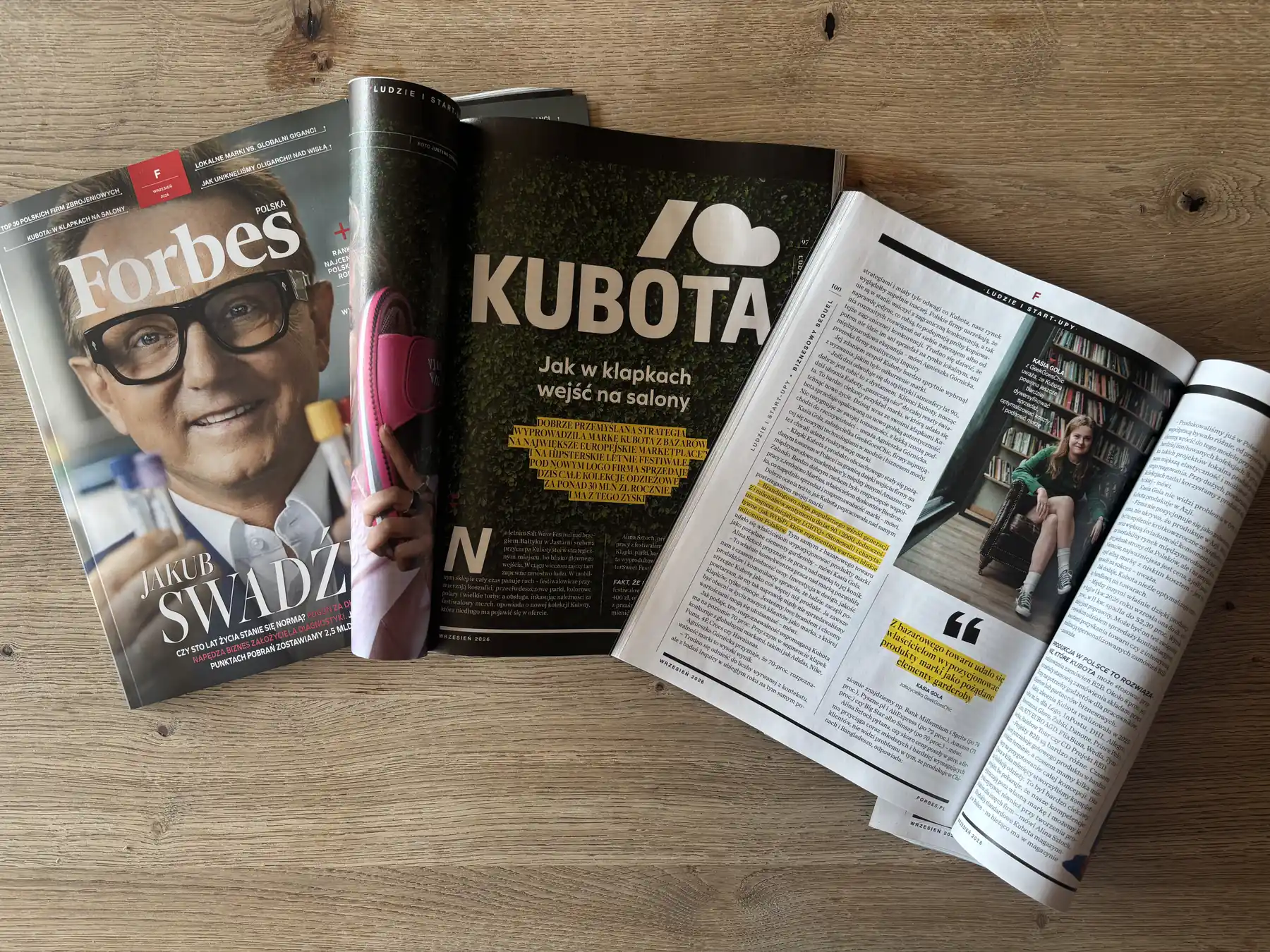
Kubota’s Comeback: Lessons for Footwear Brands | Our interview for Forbes
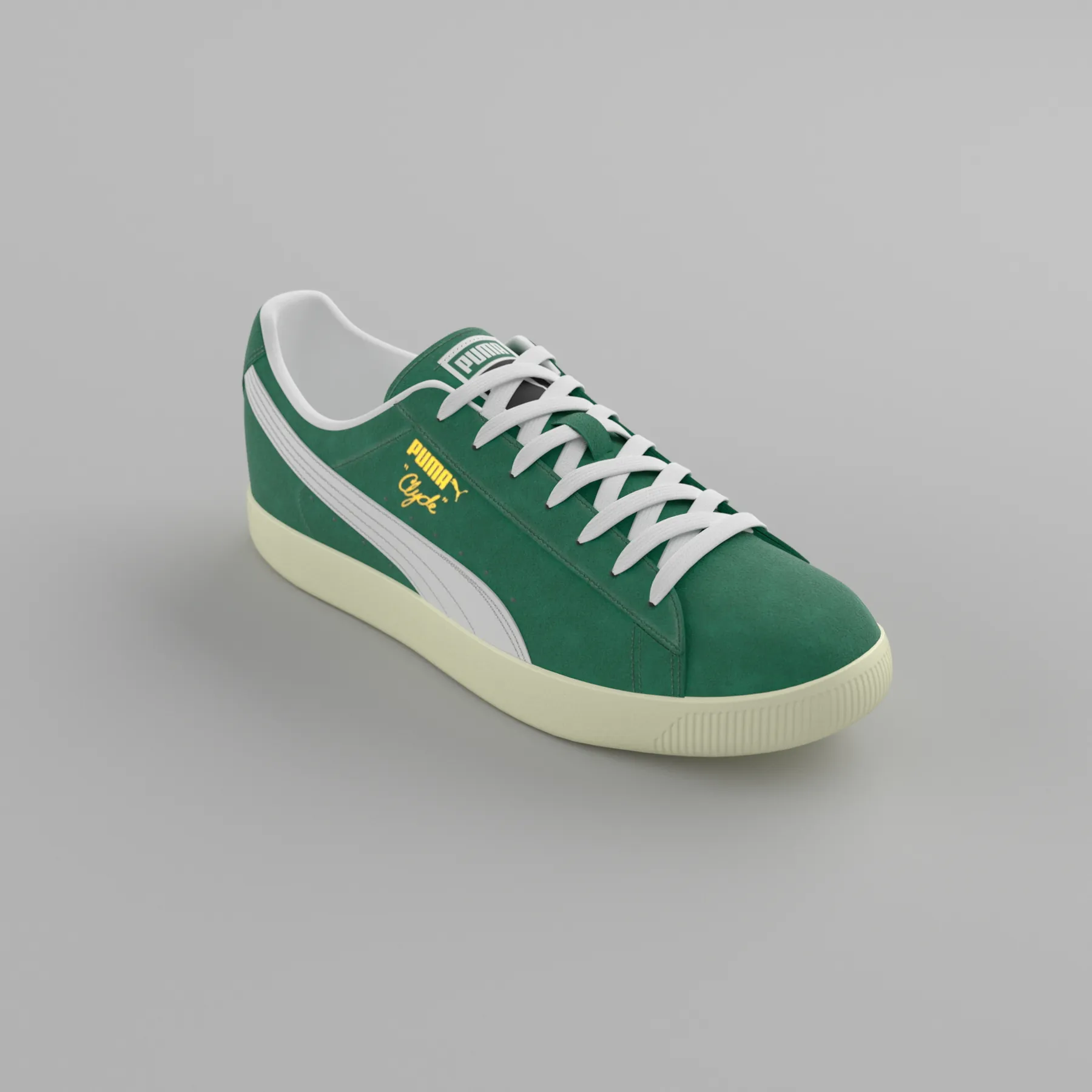
WEARFITS Introduces the First Gaussian Splatting Virtual Try-On
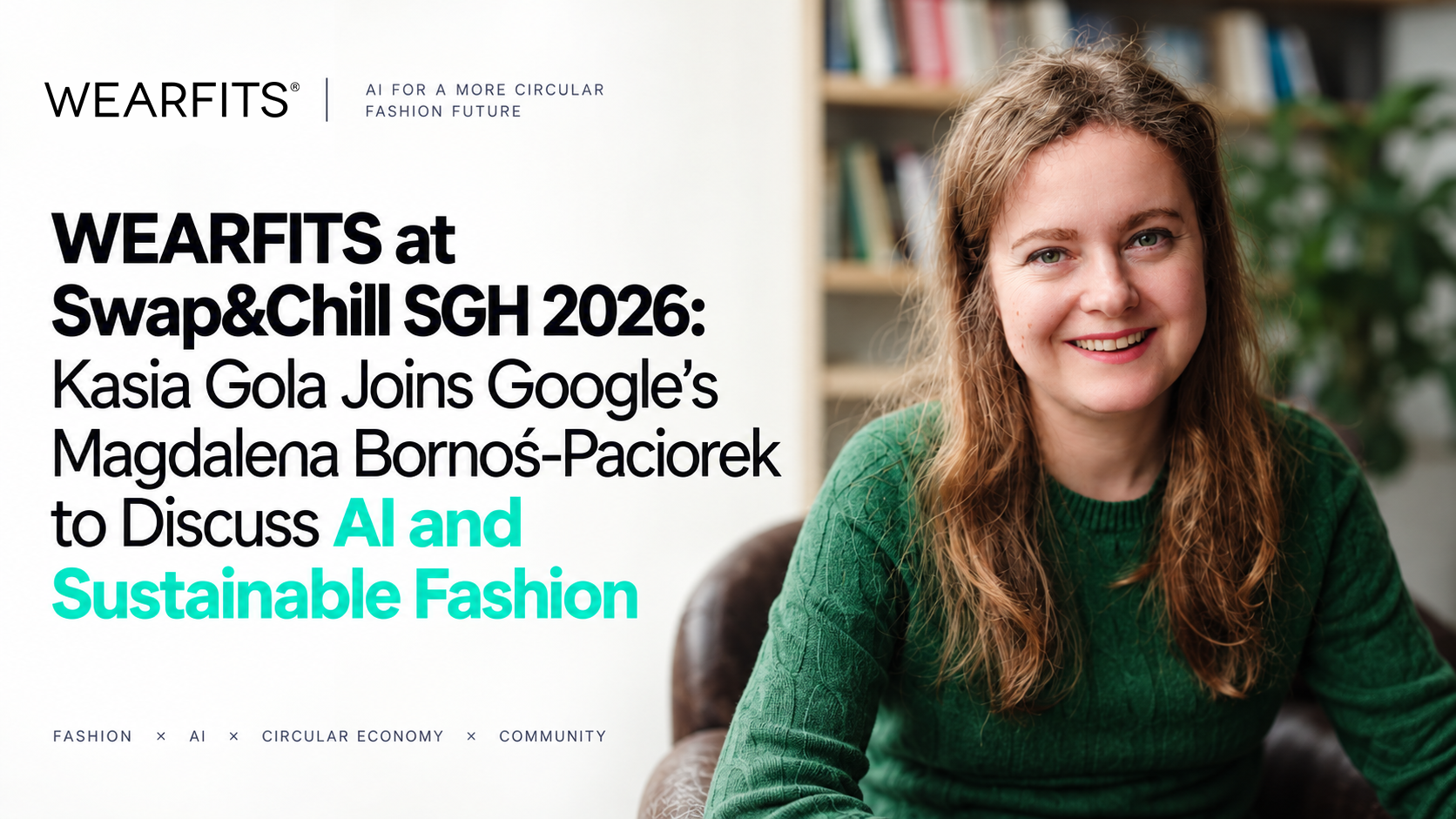
WEARFITS at Swap&Chill SGH 2026: How AI, Virtual Try-Ons and Smart Sizing Are Changing Sustainable Fashion
